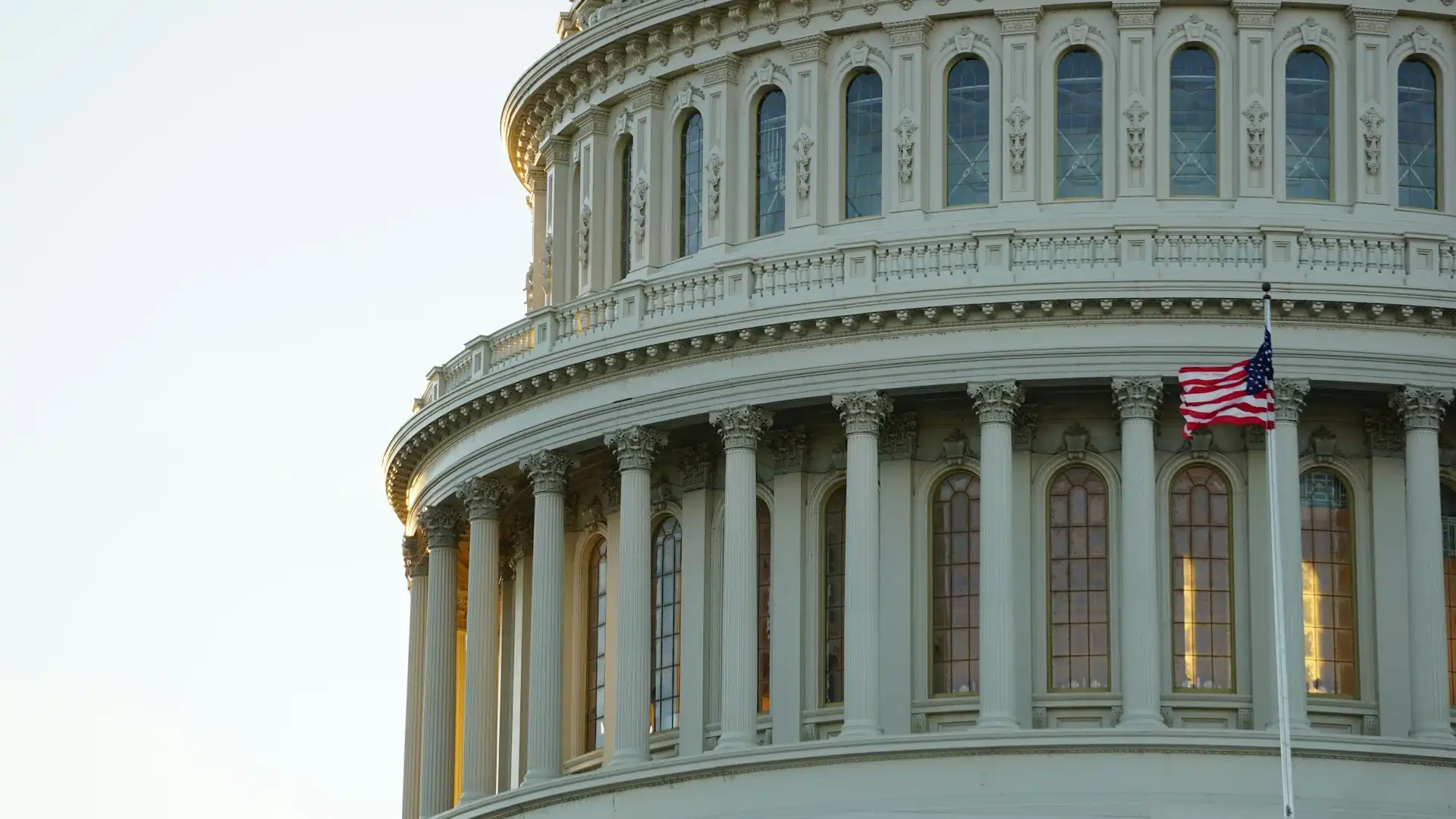
The U.S. Senate has taken a big step toward changing the definition of the president's power to run military operations outside of the country. The Senate has passed a bipartisan war powers bill that would stop the president from sending troops to Venezuela without first getting permission from Congress. This shows that people are getting more worried about the executive branch going too far and the need for Congress to keep an eye on things more closely. This news comes at a time when there are still disagreements about how to find the right balance of power between the legislative and executive branches, especially when it comes to foreign interventions that are complicated and often controversial.
Bipartisan Support and Background
The bill has support from both sides and is seen as a reaction to recent U.S. military actions in Venezuela. Venezuela has been a source of political conflict between the U.S. and Russia for a long time, and it is also a sign of larger power struggles in Latin America. The Senate's decision to move this bill forward shows that they want to put stricter limits on the president's war powers. This is especially true after critics say that the president carried out a number of military actions without enough consultation or oversight from Congress.
Key Provisions of the War Powers Bill
The main part of the bill says that the president would need Congress's permission to send troops to Venezuela, unless there is an immediate threat to U.S. national security. This law is meant to stop one-sided military actions like the one that happened earlier this year, when there was secret spying and limited strikes in the area.
Reports say that Congress didn't have much say in the operation, which worries lawmakers because they think that actions like this should be formally approved to make sure they are open and accountable.
Constitutional Arguments and Oversight Concerns
People who are in favor of the bill say that it is important to follow the Constitution, which says that only Congress can declare war. People say that recent military actions, which are often defended as part of larger efforts to promote democracy or fight drug trafficking, have gone too far and set a bad example.
The bill's goal is to make the separation of powers clearer again and stop the executive branch from acting on its own during future emergencies. It does this by making it necessary for Congress to approve military actions in Venezuela.
Criticism and National Security Concerns
People who oppose the law say it could make it harder for the president to deal with emerging dangers quickly, though. In some cases, they say, the U.S. needs to act quickly with military force to protect its interests. They say that getting approval from Congress might drag things down or put national security at risk.
Implications for U.S. Foreign Policy
There are concerns about the bill, but the fact that both sides support it shows that a lot of lawmakers want to make sure that military force is used wisely and with the right level of oversight. The bill has been through a lot of Senate committees, and now the whole Senate is ready to vote on it.
It would be a big change in how the U.S. runs its foreign policy if it passes. Congress would have more say over military actions in Latin America and other places.
Rising Tensions in Latin America
This choice comes at a time when things are getting tense in the area. Some experts believe that the recent military actions, whether they were kept secret or not, are part of a bigger strategic battle between Washington and Moscow for control of Latin America.
As the bill moves forward, it will probably lead to more discussion about what the president and Congress should do about the military and foreign policy of the United States.
Conclusion
In short, the Senate's decision to move forward with this bipartisan war powers bill is a big step forward for U.S. foreign policy. It shows that Congress needs to be more involved in military matters, and it could mean that military force is used less and more responsibly in places like Venezuela that are not stable. The outcome of this legislative effort will have a big impact on how the US deals with complicated international problems in the future.