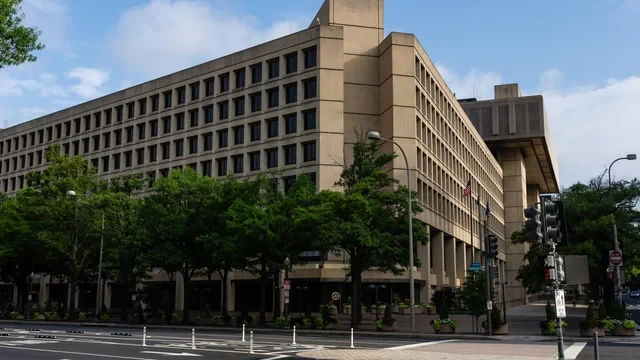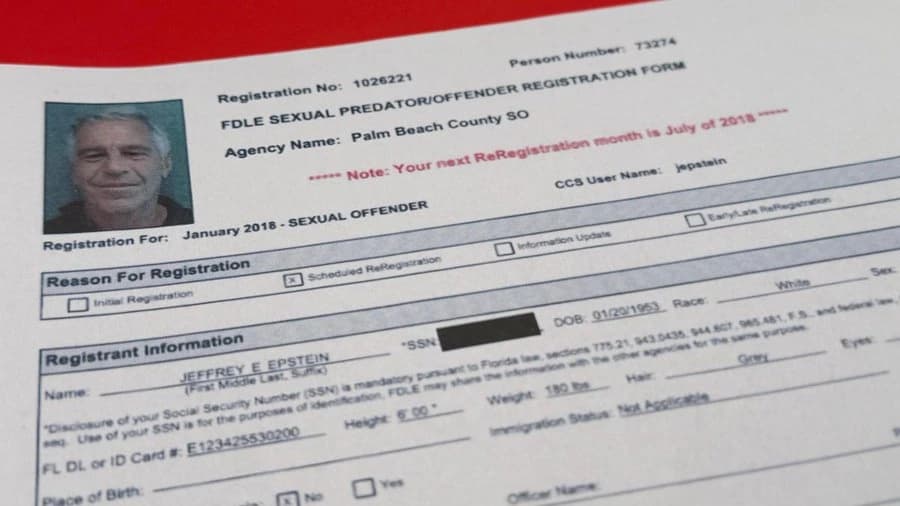
The U.S. Department of Justice (DOJ) has issued a statement Monday saying that it is working to correct the errors in the redaction of Epstein-related documents after it was revealed that the department had inadvertently released sensitive information about the victims of the late financier Jeffrey Epstein. The department has withdrawn several thousand documents and media files after lawyers for the Epstein victims identified the serious redaction errors, which have caused distress and danger to almost 100 victims.
The exposed materials, which include nude photographs, personal details such as names, email addresses, and even private banking information, were either unredacted or not fully obscured, raising grave privacy and safety concerns. The DOJ attributed these inaccuracies to “technical or human error,” saying it is taking steps to address the issues.
Details of the Redaction Failures and the Department’s Response
In a letter to New York federal judges overseeing Epstein and Ghislaine Maxwell’s sex trafficking cases, U.S. Attorney Jay Clayton explained that the department has withdrawn the majority of the problematic materials. He noted that victims and their attorneys had flagged numerous instances where personal identifiers had not been properly redacted, prompting swift action.
Clayton stated that the DOJ has revised its protocols for reviewing and redacting documents. Under the new procedures, documents flagged by victims are promptly removed and evaluated before a redacted version is reposted, typically within 24 to 36 hours. This process aims to prevent further exposure of sensitive information.
Victims Speak Out: Privacy, Safety, and Emotional Toll
Lawyers representing Epstein victims expressed deep concern over the breaches, urging judicial intervention. In a court filing, attorneys Brittany Henderson and Brad Edwards described the failures as “scale, consistency, and persistence” that are “beyond the scope of institutional incompetence.” Eight women who identify as victims also added comments, with one warning that the release of certain records was “life threatening” and another revealing she received death threats after her private banking details appeared in the documents.
One victim explained that her credit cards and bank accounts had to be shut down due to the exposure. The revelations have caused emotional distress and raised fears over potential retaliation or harassment.
Judge Richard M. Berman, presiding over Epstein’s case, scheduled a court conference for Wednesday to address these concerns and determine next steps.
Presence of Uncensored and Sensitive Content in the Files
Even though it has been stated that all nude and pornographic content has been redacted, news organizations and experts have found evidence of a number of files containing explicit photos of Epstein’s associates and victims without any redaction. Associated Press has found a number of photos showing nude young women, including some taken at Epstein’s private Caribbean island, and these photos were not even close to being redacted. These photos have now been removed or further redacted after being brought to the DOJ’s attention.
In one disturbing instance, a series of over 100 pictures showed an unnamed young woman in different contexts, with her face appearing only in one unredacted photo. Other photos included victims’ faces in organizational charts drawn up by federal investigators, making their identities known to a broad audience.
The problems did not end with the pictures. Several documents included highly personal information, such as Epstein’s credit card number, expiration date, and security code, as well as the Social Security number and date of birth of a prison employee. Emails included unredacted addresses.
Implications for Ongoing Legal Proceedings
The redaction lapses have had tangible consequences in unrelated court cases. During a high-profile sex trafficking trial in New York Monday, defense attorneys for two real estate brokers argued that their clients’ rights were compromised because their names appeared in Epstein’s files. The attorneys claimed the disclosure threatened a fair trial, as the documents falsely linked their clients to Epstein’s criminal activities.
Judge Valerie E. Caproni rejected a motion for a mistrial, questioning whether the defense’s concerns were justified. She noted that the government had withdrawn the documents from public access, and jurors confirmed they had not seen any of the material. Still, the judge expressed skepticism, asking prosecutors directly, “Government, really?”
Assistant U.S. Attorney Elizabeth Espinosa acknowledged the errors but reassured the court that the problematic documents had been retracted from public circulation.
Ongoing Efforts to Limit Damage and Protect Victims
The DOJ has continued to stress its dedication to making the necessary corrections to the redaction issues, although the incidents also reveal underlying issues in the department's ability to handle sensitive cases. The disclosure of the victim's identity and the explicit content also show the need to have strict processes in place, especially when dealing with vulnerable victims.
The department is still to provide updates on the website that hosts the Epstein case documents, which was inaccessible on Monday, possibly as part of the ongoing processes to correct the issues.
Conclusion
The Justice Department's admission of the redaction failures shows the need to find the right balance between openness and confidentiality in dealing with sensitive information, especially in publicized crime cases. In the future, the department will need to ensure that it strikes the right balance, and the public can trust the department to handle the investigations while ensuring the protection of the victims and their identity.