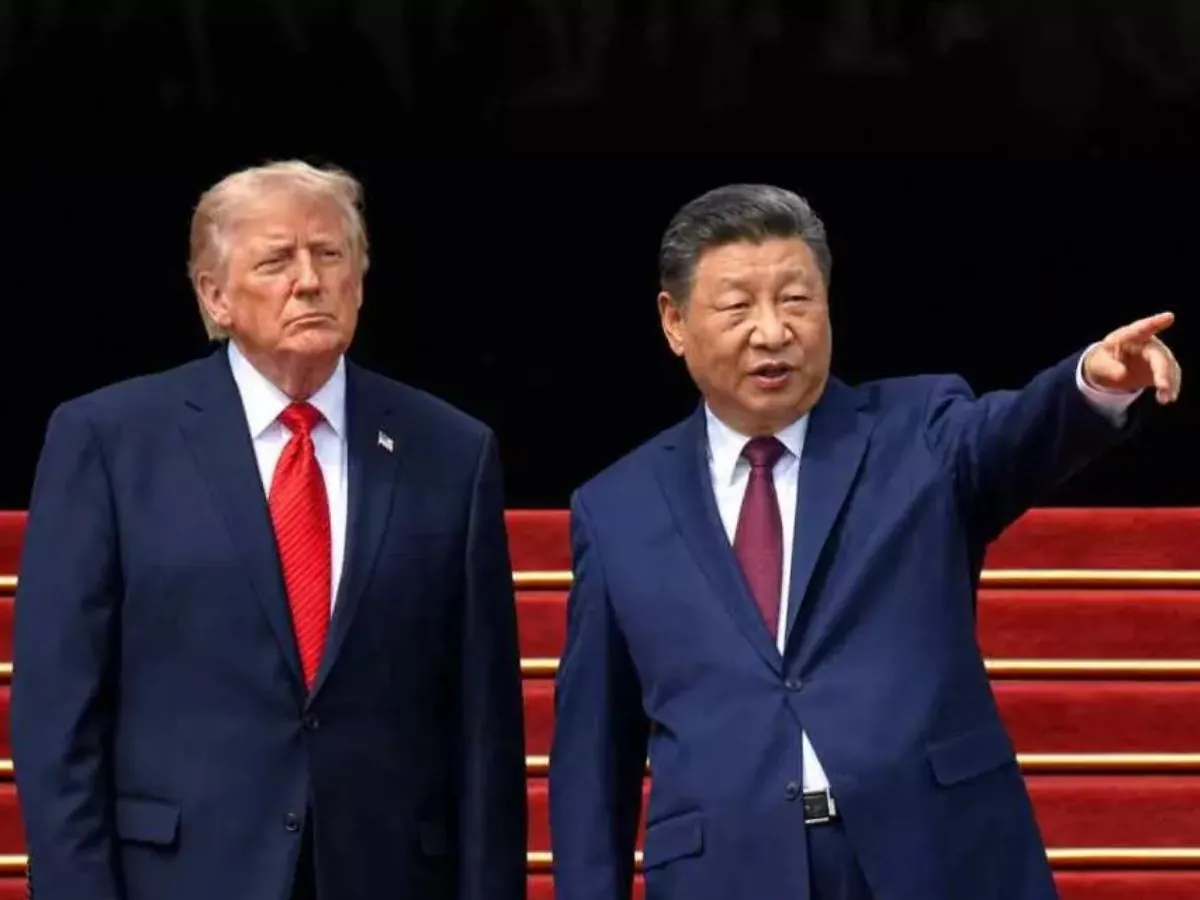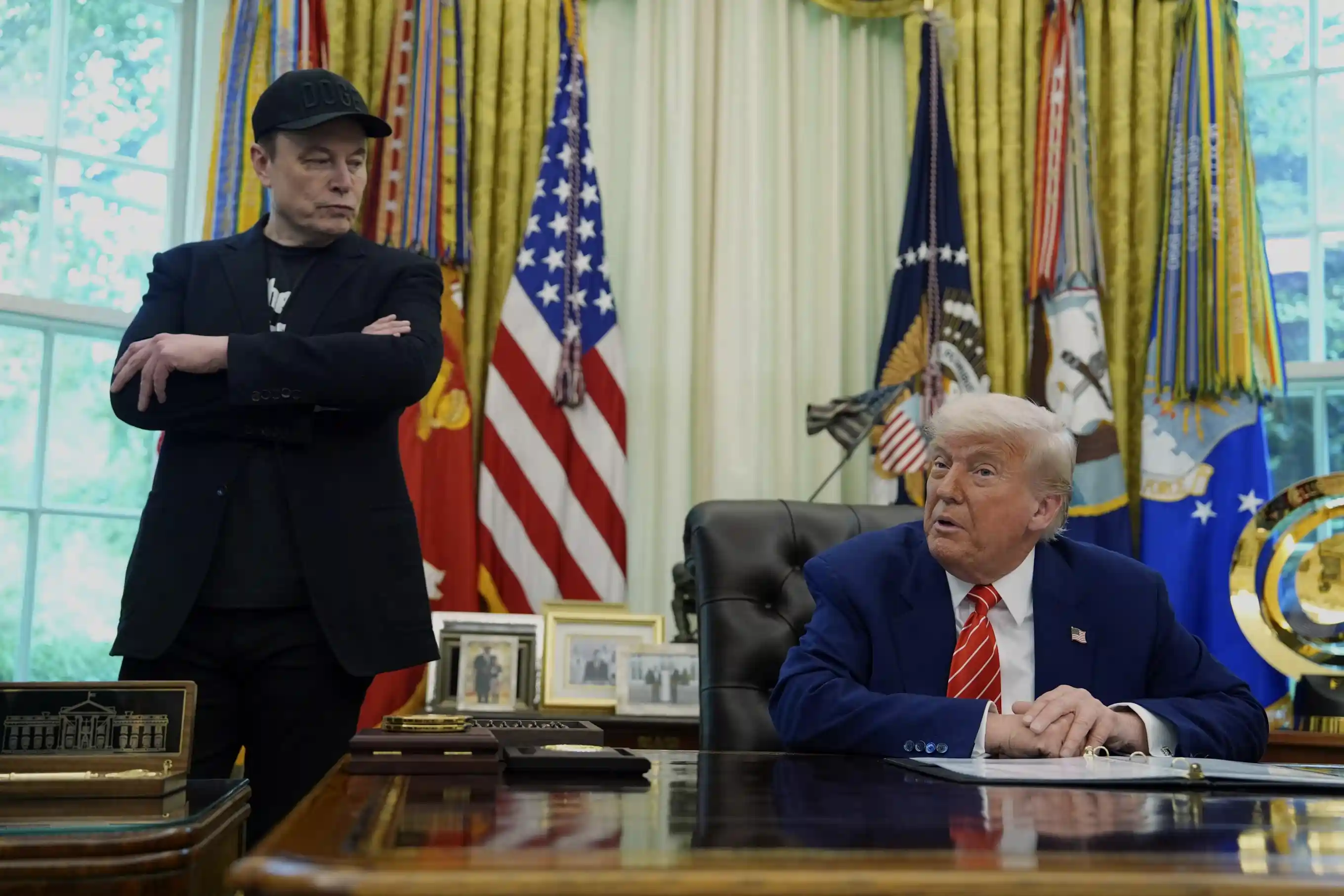
Former President Donald Trump and billionaire businessman Elon Musk have been pushing for stricter voter ID laws in the last few days. This is a big part of the Republican Party's plan to stop Democrats from gaining ground in the upcoming November midterm elections. GOP leaders are making these moves as part of a larger effort to make voting rules stricter, which they say is necessary to stop fraud in elections. Critics say that these rules may keep some Democratic-leaning groups from voting.
The SAVE Act: A Strong Suggestion to Make Voter Verification More Strict
The proposed Save American Votes Election Integrity Act (SAVE Act) is at the heart of this push. It would put strict limits on how people can register to vote and prove who they are. If passed, the law would stop states from letting people register or change their registration for federal elections unless they show proof of U.S. citizenship, like a passport or birth certificate. This rule is meant to make sure that only eligible citizens vote, but some people say it could keep a lot of people from voting.
The law also says that states must check the citizenship status of all current voters and remove anyone who is not a citizen. If officials don't follow the rules or help noncitizens vote, they could be sued or face criminal charges. Noncitizens who are found to have registered to vote could even be deported. The Department of Homeland Security (DHS) would be able to think about deporting these people.
The bill passed the House, which is controlled by the GOP, in April. If the Senate approves it and the President signs it into law, it would go into effect right away. But it has a lot of problems to deal with in the Senate, where it needs at least 60 votes to pass and Democrats and voting rights advocates are against it.
How Public Opinion Affects Voters
The Brennan Centre for Justice says that about 11% of eligible voters do not have the right kind of ID to meet strict voter ID laws. This percentage is much higher for groups that are more likely to be affected, like seniors, people with disabilities, low-income voters, minorities, and students. Studies have shown that voter ID laws don't do much to stop voter fraud. For example, the Brennan Centre found that in 2017, less than 0.02% of people who voted were not citizens.
Critics say that these laws really suppress voters, mostly those who lean Democratic. This could make fewer minorities and young people vote.
Possible Political Effects
A lot of experts think that the proposed voter ID laws could have a big effect on the elections. These restrictions could make it harder for Democrats to get out and vote because groups that tend to support them, like students, voters of colour, and younger voters, are more likely to not have the right forms of ID.
On the other hand, the law could also have an effect on states that lean Republican, where people are less likely to have passports, which are often accepted as ID. This could unintentionally make it harder for voters in conservative states, especially married women, to prove their citizenship if their last names have changed because of marriage, since the bill doesn't take name changes into account.
The new laws might also make it harder for people to sign up to vote. A lot of people in the US register to vote by mail, online, or at registration drives. The SAVE Act would mostly limit registration to in-person processes. This means that voters would have to go to their local election office to register, even if they needed to change their address or other information.
Public Support and Opposition
Most people support laws that require voters to show ID, even though they are worried about people not being able to vote. A Pew Research Centre poll from August 2025 found that 83% of Americans want to have to show government ID to vote.
However, people are more divided on whether they support the SAVE Act's stricter registration rules. Automatic voter registration for eligible citizens is supported by about 59% of people, but the new ID requirements would make this process more difficult. Also, 56% of people don't want voters to be taken off the rolls if they haven't voted in a while or haven't confirmed their registration.
Setting and Political Strategy
The call for stricter voter ID laws comes at a time when Democrats are expected to do well in the midterm elections. In the past, the party that isn't in power has done well in midterm elections. Polls show that Democrats are in a good position, so Republicans are looking for ways to make it harder for their opponents to win.
Republicans are also trying to change the Voting Rights Act in the Supreme Court and working on redistricting to change electoral boundaries in their favour.
President Trump has made it clear how important it is for the GOP to win the midterms. He told Republicans to pass the SAVE Act in a recent speech and warned that Democrats might try to impeach him if they regain control of Congress.
Trump and Musk's push for stricter voter ID laws is part of a larger fight over voting rights and the integrity of elections. Supporters say these laws are needed to stop voter fraud, but critics argue they are designed to suppress Democratic-leaning voters. The debate is likely to remain central as the midterm elections approach, with long-term implications for American democracy.