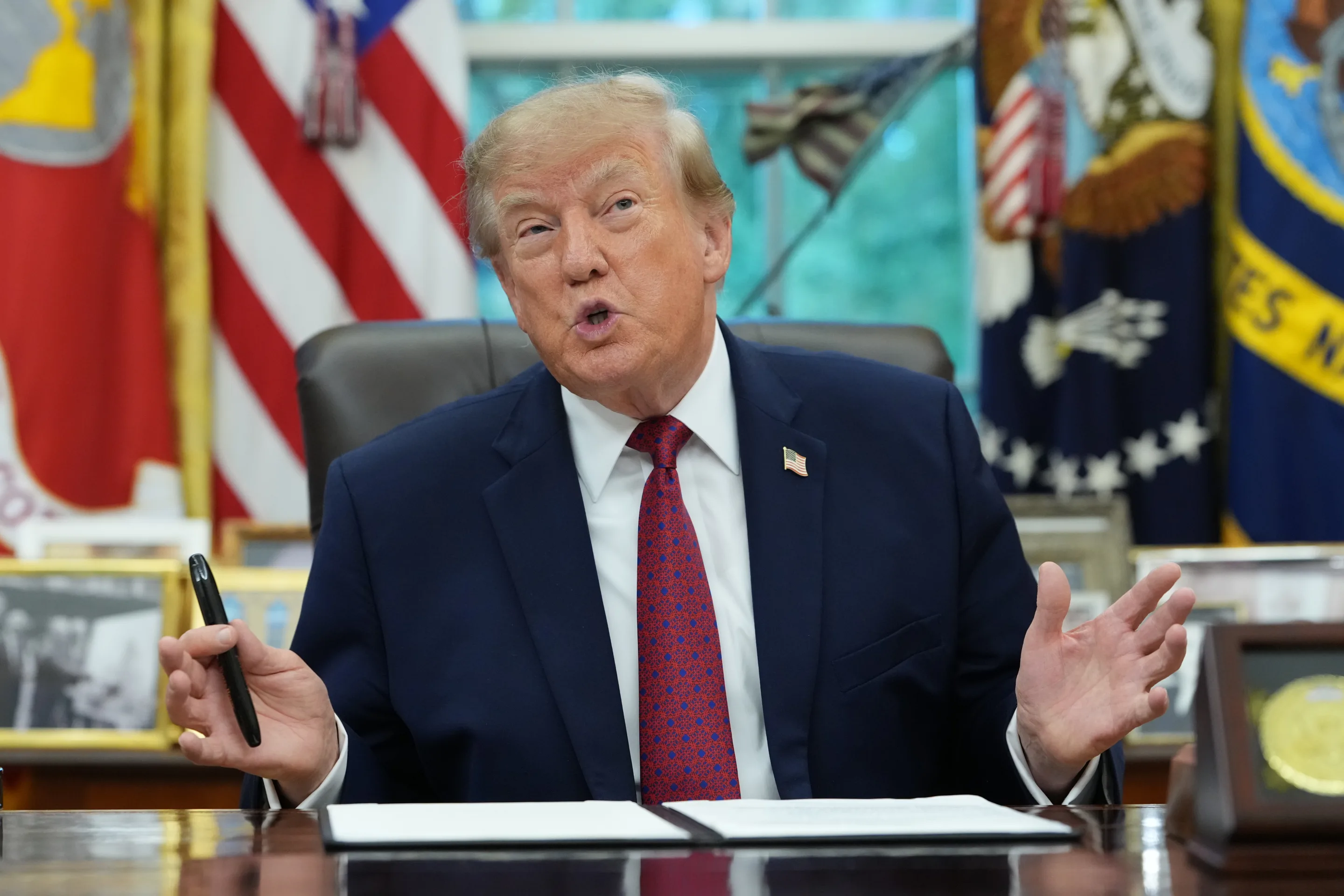
President Donald Trump is preparing to depart for Asia on Monday, beginning a diplomatic and economic trip that will include meetings with Southeast Asian leaders, trade discussions in the Philippines and China, and an unprecedented three-way summit with Chinese President Xi Jinping and Russian President Vladimir Putin focused on nuclear weapons.
The visit comes as Trump's administration faces a changed political environment following the November midterm elections, in which Republicans lost control of both chambers of Congress. The president has also faced criticism over a nationwide aviation ground stop that disrupted thousands of flights and raised questions about the government's handling of the air traffic control system.
Trump's itinerary begins in Manila before continuing to Shenzhen, China's major technology hub. The trip offers the president an opportunity to focus on international trade, regional security and nuclear diplomacy while domestic political and economic issues remain prominent in Washington.
Nvidia Controversy Looms Over Trump's China Visit
The controversy involving Nvidia and its former CEO Jensen Huang is expected to remain an important issue surrounding Trump's visit to China. Huang resigned as CEO last week after acknowledging an affair with a woman alleged to have connections to Chinese government intelligence activities.
Beijing has denied involvement in the matter. U.S. officials who briefed reporters ahead of the trip said Trump did not intend to raise the controversy directly with Xi during their meeting.
Huang previously accompanied Trump aboard Air Force One during the president's last visit to China in May. He has also appeared periodically alongside Trump at the White House and has maintained frequent communication with the president.
Trump has repeatedly emphasized the importance of maintaining American leadership in artificial intelligence, warning that the United States could face serious consequences if China overtakes it in the technology race.
Scrutiny of the administration's handling of Nvidia-related matters has increased, particularly over the Commerce Department's delay in imposing restrictions on chip exports to a company led by the woman allegedly involved in the affair with Huang.
Treasury Secretary Calls for Examination of Nvidia's Compliance
Treasury Secretary Scott Bessent addressed the controversy during an interview broadcast Sunday, saying he would leave questions about the Commerce Department's internal decision-making to that agency. Instead, he emphasized the importance of determining whether Nvidia maintained an effective compliance culture regarding U.S. export restrictions.
Bessent said investigators and officials would need to examine how the company handled its responsibilities and at what level compliance decisions were made. He described Huang as an exceptional innovator but stressed that technological achievements did not remove the company's obligation to follow American export regulations.
“Jensen Huang is an incredible innovator, but that does not abrogate their duties of compliance,” Bessent said, adding that he expected answers to emerge from the examination.
Elon Musk Among Delegation Traveling With Trump
Elon Musk, the head of SpaceX and Tesla, is also expected to accompany Trump on the Asia trip. Musk's participation comes as the incoming Democratic majority in Congress prepares to scrutinize his business activities and government-related dealings.
His presence adds another prominent technology executive to a visit already taking place amid questions about American semiconductor exports, artificial intelligence competition and the relationship between major technology companies and the federal government.
Trump Plans Trade Deal and Meetings With Southeast Asian Leaders
The first stage of Trump's visit will take place in Manila, where he is scheduled to meet leaders from Southeast Asian countries. Governments across the region have looked to Washington for support as they navigate security concerns involving China's growing influence and military activities.
The White House said Trump plans to sign a trade agreement with Thailand during the Philippines portion of the trip. The meetings are expected to address economic cooperation and regional security, with Southeast Asian governments seeking continued American engagement in the region.
After the Manila meetings, Trump will travel to Shenzhen, China, to participate in the Asia-Pacific Economic Cooperation summit. The visit will include discussions with Chinese officials at a time when trade, technology competition and regional security remain important issues in relations between Washington and Beijing.
Historic Three-Way Nuclear Talks With Xi and Putin
The most unusual diplomatic event planned for the trip is a three-way meeting involving Trump, Xi and Putin to discuss nuclear stockpiles. It would mark the first meeting of its kind involving the leaders of the United States, China and Russia, bringing together representatives of the world's three major nuclear powers.
Trump and U.S. officials have indicated that the discussions will focus on nuclear weapons and related security concerns. They have also said that Russia's war in Ukraine, now in its fifth year, is not expected to be part of the formal agenda.
Nevertheless, Trump has recently spoken positively about the possibility of reaching a settlement to the conflict. The war remains a major issue in relations between Washington and Moscow, even if the planned nuclear discussions are intended to concentrate on a separate set of strategic questions.
The meeting could bring renewed attention to the management of nuclear arsenals and the broader security relationship among Washington, Beijing and Moscow. The three governments have significant differences over international security, military strategy and regional conflicts, making the proposed discussions an important diplomatic development.
Iran War Adds Another Dimension to the Summit
The planned talks will also take place against the backdrop of the ongoing U.S. war with Iran. Tehran has maintained close relationships with both China and Russia, making the conflict an additional factor in the wider diplomatic environment surrounding Trump's visit.
The war has been widely blamed for contributing to the Republican Party's substantial losses in the November midterm elections. Trump has attempted to play down the possibility of ordering another round of major strikes against Iran, while also saying he does not see a need for negotiations.
His discussions with Xi and Putin will therefore take place amid several overlapping international challenges, including nuclear security, the war in Ukraine, tensions involving Iran and competition over advanced technology.
Asia Trip Places Trade and Global Security at the Center
Trump's journey through Manila and Shenzhen combines economic diplomacy with discussions about some of the most consequential security issues facing the United States and its international partners. The planned trade agreement with Thailand and meetings with Southeast Asian leaders reflect Washington's economic and strategic interests in the Indo-Pacific.
The proposed nuclear summit with Xi and Putin adds a broader international dimension to the visit, placing nuclear stockpiles and relations among major powers at the center of Trump's diplomatic agenda. At the same time, the Nvidia controversy and domestic political challenges remain part of the backdrop as the administration seeks to advance its international priorities.