Car sales in the United States increased by almost 2% in 2025, but there are still concerns about the regulations and less reasons to purchase an electric vehicle. This demonstrates the continued demand for trucks, SUVs, and hybrids. Compared to the recent fluctuations in the auto market, when policy changes and incentive programs caused consumers to alter their purchase intentions, the year's performance represents a significant improvement.
According to data from the industry, there was a steady interest in a wide range of vehicles this year. Light trucks, such as full-size pickups and crossover SUVs, still sold more than regular cars. Some people want better gas mileage but aren't ready to switch to plug-in electric cars completely, so sales of hybrids also went up. The combination helped make up for weaknesses in some areas and supported an overall rise in volume, even though some carmakers were still working on changing their prices and inventory.
During the past year, people have misunderstood many of the rules that control the car business. Because Washington keeps shifting its policy on electric car rebates, because electric cars are still catching on more slowly than once forecast and because taxes on imported parts could still change, both carmakers plus dealers now act with extra care. Some government programs have shrunk or have finally been spelled out but multiple rebates for battery powered cars remain in force. The mix of cuts and keepers has changed what buyers expect to see on the lot. Trucks but also large sport utility vehicles still sell fast - the companies quickly poured extra money into building more of those models. At the same time, they stayed on track with long range plans to raise their output of electric vehicles later.
The lower incentives for electric vehicles didn't stop the growth of electric drive options completely. At first, many car companies said their hybrid models were selling well. They also said they were getting more and more orders for plug-in hybrids and full EVs, but the process was slow. People are open to electric options, especially when they see a clear benefit, like lower operating costs, a better ride and drive experience, or the convenience of bigger cars that often come with modern tech and safety packages.
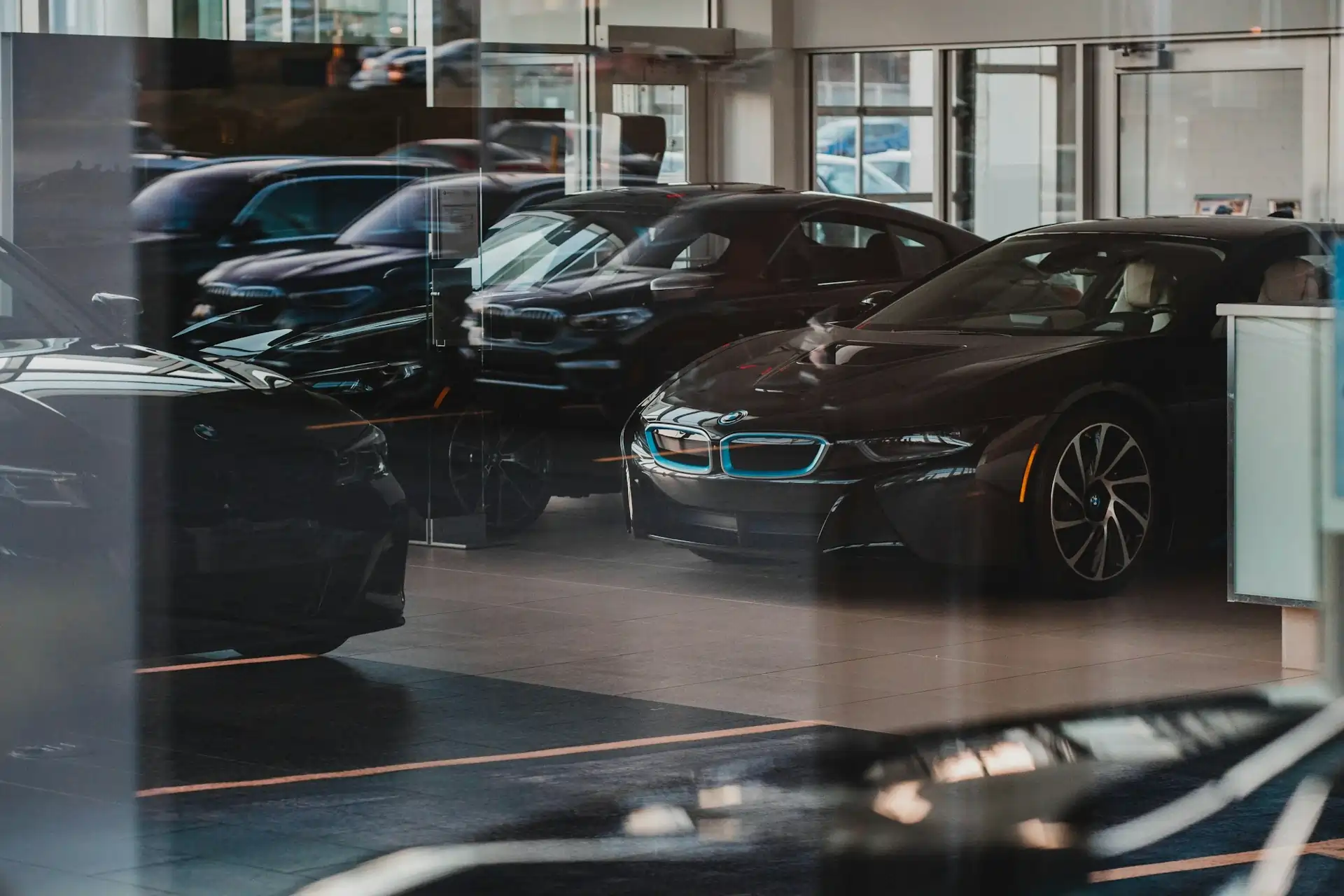
The best-selling cars of the year were still pickups and SUVs that fit active lifestyles, family needs, and a willingness to pay a little more for space and capability. People still wanted these models even though interest rates and loan terms changed. This was because they were confident in the economy and had good financing options. We added hybrids to the lineup because they are a good choice for people who want better gas mileage but don't want to worry about running out of range or having trouble charging their full EVs.
From the point of view of manufacturers and dealers, 2025 was a year full of problems and opportunities. After some parts were hard to find, many car companies said it was easier to find them now. This meant that customers had more options and stores had more stock. Prices that had been going up and down a lot in the past became more stable as things got better overall. Some areas had more goods than others. Dealers took advantage of this steady flow by offering more aggressive financing and advertising programs to sell cars while still making money.
In the future, the industry will see a mix of good and bad policy signals. If there is still doubt about what regulators want or if the incentives for electric cars change again, automakers will probably keep making trucks, SUVs, and hybrids, which are their best-selling types of cars. They will also slowly add more electric cars to their lineups over time to get more people to buy them. In 2026, how many people buy hybrids and plug-in options will depend on how much they think they will cost to own, how much fuel costs, how much charging infrastructure there is, and how policies change to make them more appealing.
The path of 2025 made one thing clear for buyers: usefulness and value are still the main reasons people buy things. People still want cars that are big, strong, and get good gas mileage. Even though the incentives changed, buyers still found reasons to upgrade, trade in their old cars, and take advantage of good financing when it was available. The message for car companies is clear: they need to find a way to make electric cars appealing while still making the cars that people love that keep the highways busy. This could be the next big thing in the U.S. auto market.