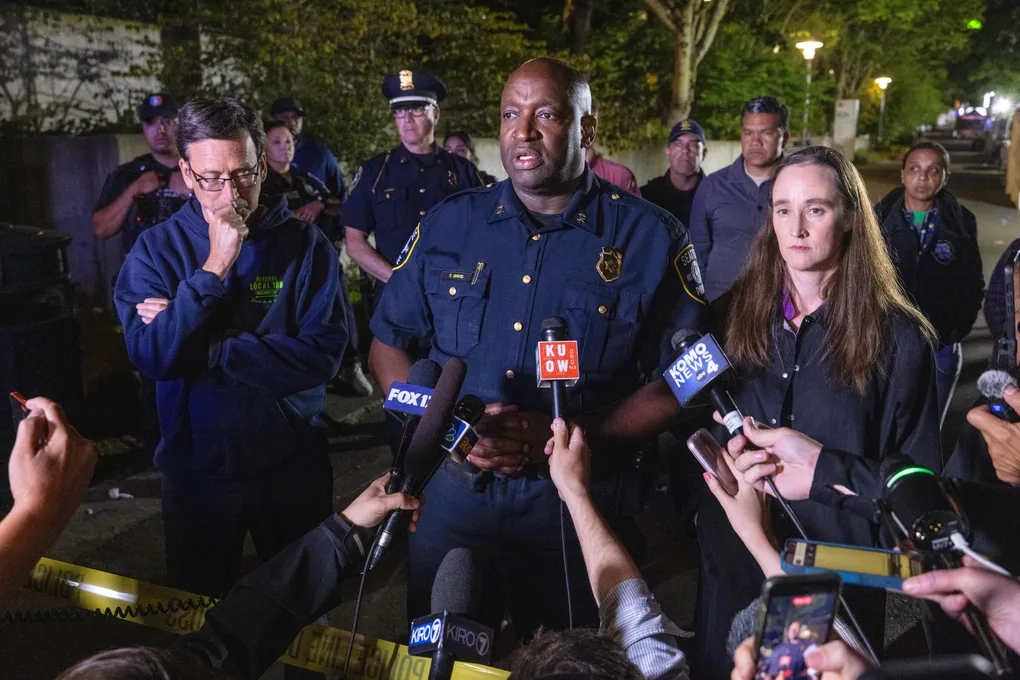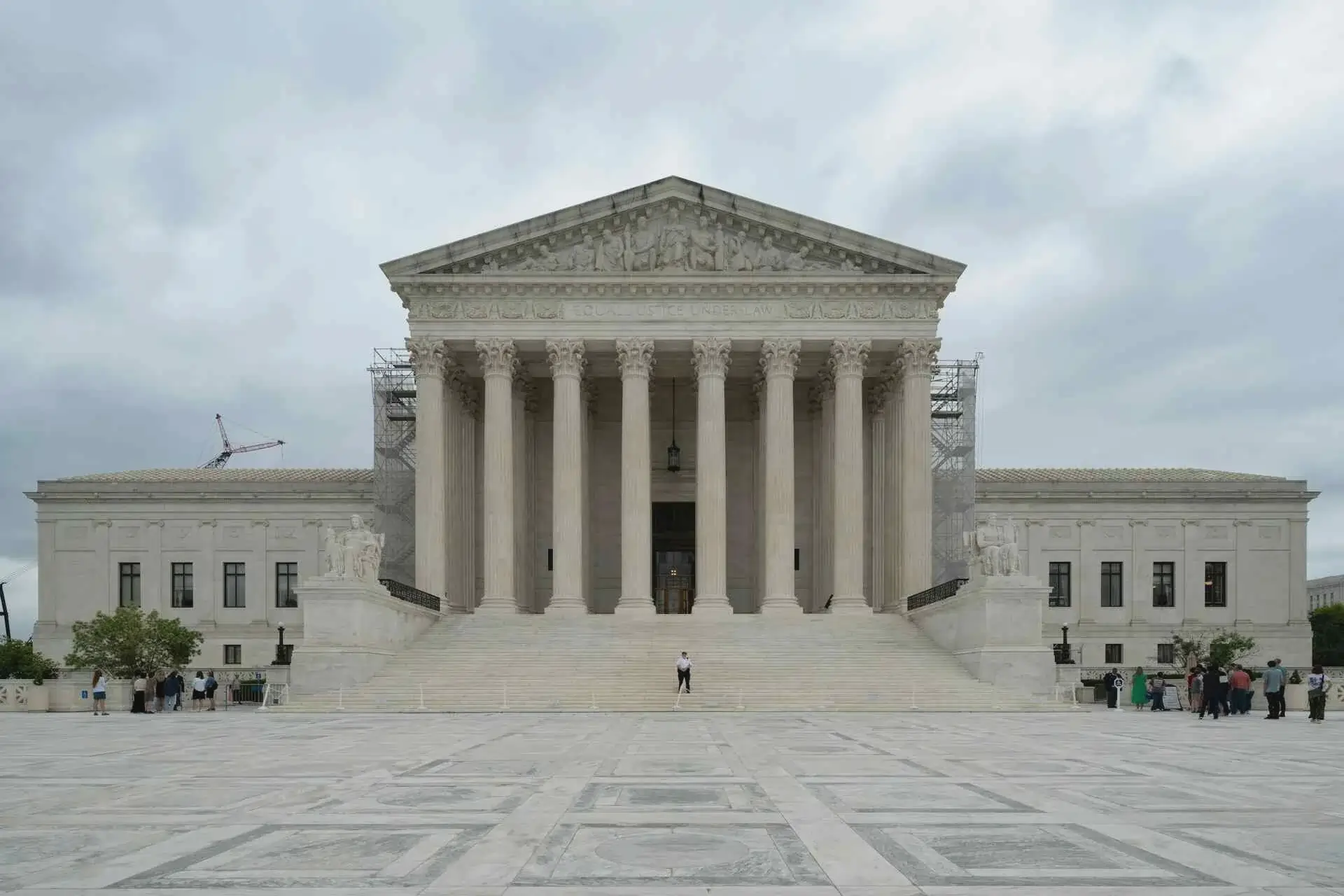
Since taking office again in January 2025, President Donald Trump has been involved in a lot of legal fights, some of which have gone all the way to the U.S. Supreme Court. These cases cover a wide range of topics, including immigration, civil rights, economic policies, and federal agencies. They show how controversial and politically charged his administration's actions have been. As the Court gets ready to make decisions on some of these well-known cases, here's a complete look at the most important legal problems that have come up during Trump's presidency.
Trump Tariffs
One of the most important cases is President Trump's broad tariffs, which affect not only the U.S. economy but also trade relations with other countries. The justices were not sure if Trump's wide use of tariffs under a 1977 law meant for national emergencies was legal when they heard oral arguments on November 5. The case asks if the president had the constitutional power to put these tariffs in place or if he went too far with congressional powers.
Lower courts had already said that Trump went too far by using the International Emergency Economic Powers Act (IEEPA) to back up the tariffs, which were challenged in court by several businesses and 12 U.S. states. By June, the Supreme Court should have made a decision that could make it clearer what the president can and can't do when it comes to trade policy and whether the president can use emergency powers to set tariffs on his own.
Domestic Troop Deployment in Chicago
On December 23, the Supreme Court said no to President Trump's request to send National Guard troops to Chicago. This case comes up at a time when there are more general worries about the use of military force inside the U.S., especially in areas run by Democrats where critics say the deployments are politically motivated to stifle dissent.
The Court agreed with a lower court's order from U.S. District Judge April Perry that temporarily stopped the deployment of hundreds of troops. While the legal challenge was still going on, the Justice Department wanted to go ahead with the deployment. The case brings up ongoing discussions about whether the president has the power to use military force at home and the constitutional protections against military interference in civil matters.
Firing of Federal Reserve Governor Lisa Cook
The Supreme Court will hear arguments on January 21 about President Trump's attempt to fire Federal Reserve Governor Lisa Cook. This is the first time a president has tried to fire a governor and challenge the independence of the central bank. Trump says that Cook committed mortgage fraud before she was appointed, but Cook denies this.
The Federal Reserve Act of 1913 is at the heart of the case. It says that presidents can't fire Fed officials "for cause," but what that means is still up in the air. The Court's decision could have long-term effects on how independent the Federal Reserve is and how much power the president has over federal agencies.
Other Important Cases
Federal Trade Commission (FTC) Firing
In December, the Court hinted that it might agree with President Trump's right to fire Federal Trade Commission (FTC) officials before their terms are up. The case is about the firing of Rebecca Slaughter, a Democratic FTC member, in March 2025. The lower court had stopped the firing because it thought it would protect agency officials, but the conservative justices on the Supreme Court seemed to agree with the argument that Congress's tenure protections limit the president's power. By June, a choice should be made.
Firing at the Copyright Office
The Court put off a decision on whether Trump can fire Shira Perlmutter, who is in charge of the U.S. Copyright Office, until November 26. The case shows that there are still problems with firing federal workers and the limits of presidential power over independent agencies.
Birthright Citizenship
One of the most talked-about cases is President Trump's attempt to limit birthright citizenship, which is guaranteed by the 14th Amendment to the Constitution. The government made an executive order telling agencies not to recognise the citizenship of children born in the U.S. if neither parent is a U.S. citizen or legal permanent resident (green card holder). The policy was stopped by a lower court, which said it was against the law. The Supreme Court then looked at it. If the Court rules in Trump's favour, the case could change how people have understood the 14th Amendment for a long time.
Wider Effects and Political Importance
In a politically divided country, many of these cases are examples of bigger arguments about presidential power, executive overreach, and the legal limits of policy actions. The Court's decisions could change the law on a wide range of issues, from trade and immigration to civil rights and the independence of government.
Legal experts and political observers are keeping a close eye on the Court's decisions in these high-stakes cases. The results will not only affect the legality of Trump's policies, but they may also change the balance of power between the executive branch and the judiciary, which will shape how the US is run for years to come.