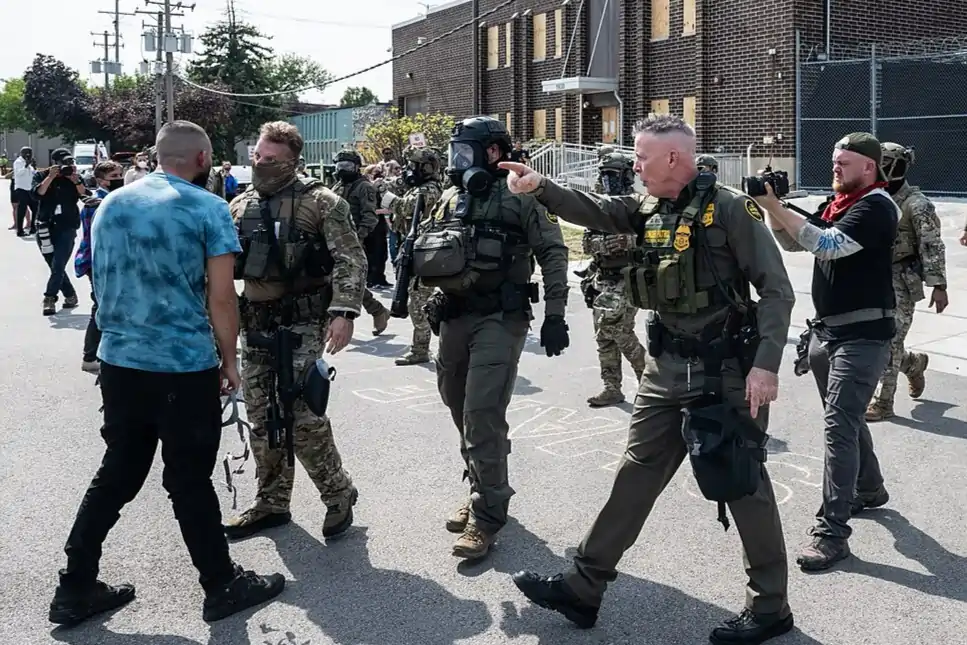
Gregory Bovino, the Border Patrol commander overseeing operations in Minneapolis, is expected to depart the city Tuesday amid a broader leadership reshuffle within the Trump administration’s immigration enforcement effort, according to sources familiar with the matter.
The move follows mounting criticism over a fatal shooting involving federal officers during an intensified immigration crackdown. While officials have not publicly confirmed Bovino’s reassignment, multiple reports indicate that changes are underway as the administration recalibrates its enforcement strategy in Minnesota.
Fatal Shooting Sparks Political Backlash
The leadership shift comes after Border Patrol agents fatally shot Alex Pretti, an ICU nurse, during a federal operation in Minneapolis. The incident drew swift condemnation from local officials and several members of Congress.
Bovino had publicly stated that Pretti intended to “massacre” law enforcement officers, though local authorities later said evidence supporting that claim had not been presented publicly. The shooting intensified debate over the scope and conduct of federal immigration operations in the city.
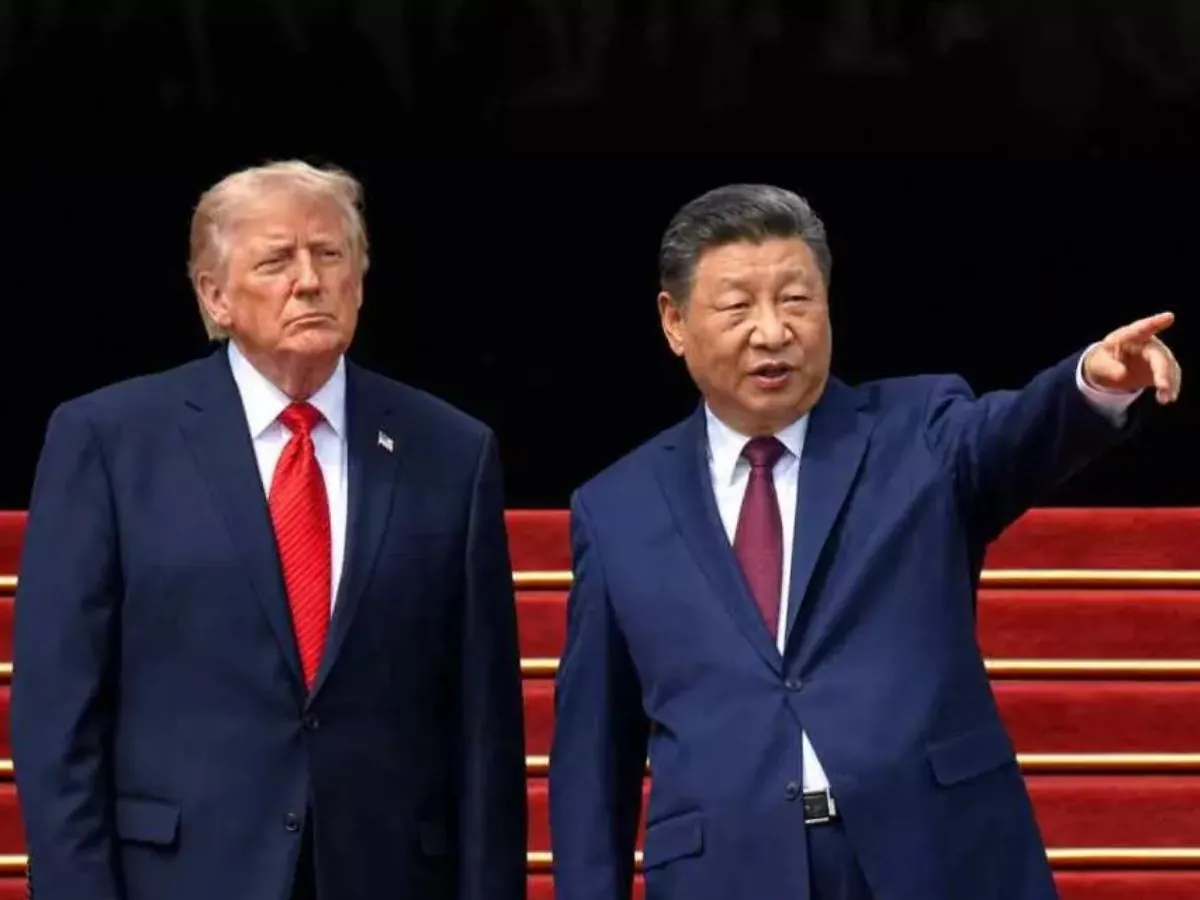
President Donald Trump subsequently announced that Tom Homan, former acting director of U.S. Immigration and Customs Enforcement, would take oversight of the operation. Trump said Homan would report directly to the White House, signaling tighter centralized control over enforcement efforts.
Shift in Federal Approach
Despite reaffirming its commitment to immigration enforcement, the administration has indicated a shift in tone following days of protests and criticism. Trump described the situation in Minneapolis as “untenable” and confirmed he had spoken with Minnesota Gov. Tim Walz and Minneapolis Mayor Jacob Frey.
Frey said he urged the president to scale back what he characterized as an aggressive federal enforcement surge. According to the mayor, Trump agreed that the current trajectory could not continue. Frey said he would continue pressing for the withdrawal of agents deployed under Operation Metro Surge.
Leadership Transition and Local Concerns
Homan’s appointment has drawn mixed reactions. Supporters view him as an experienced and decisive immigration official, while critics argue his leadership could signal a continuation of hardline policies that have sparked protests and civil rights concerns.
Frey is scheduled to meet with Homan to discuss the future of federal immigration operations in Minneapolis. City officials have emphasized the need for a strategy that balances enforcement with community trust and civil liberties.
Broader Implications
The developments in Minneapolis underscore ongoing tensions between federal immigration authorities and local governments. Legal experts note that while the federal government holds primary authority over immigration enforcement, sustained operations within municipalities often require coordination with local officials to avoid political and operational friction.
Bovino’s expected departure and Homan’s expanded role suggest the administration is attempting to adjust its strategy amid growing scrutiny. Whether the changes represent a temporary recalibration or a longer-term shift in approach remains unclear.
As discussions between federal and local officials continue, Minneapolis has become a focal point in the broader national debate over immigration enforcement, public safety and civil liberties.