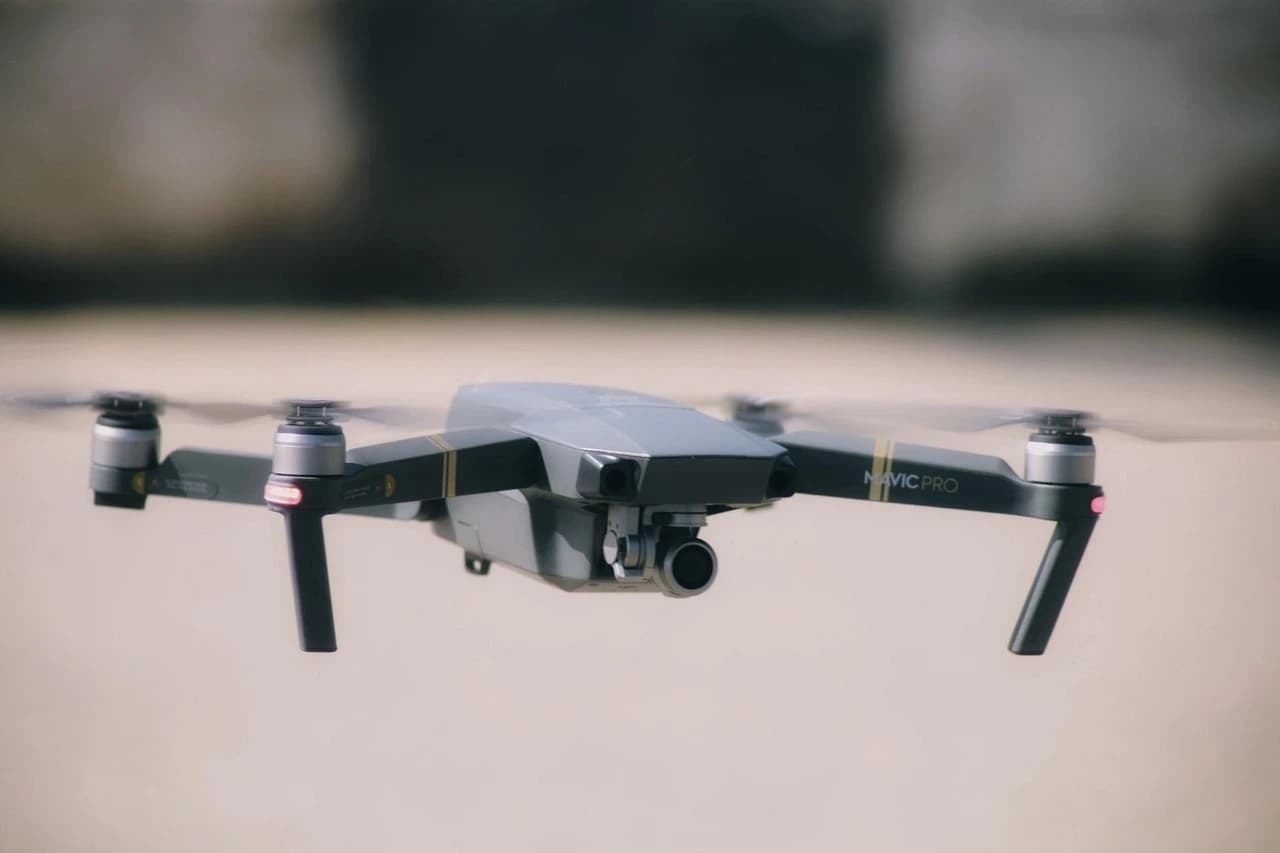
Washington, Feb 24 – The leading Chinese drone manufacturer DJI announced on Tuesday that it has filed a lawsuit challenging a recent decision by the Federal Communications Commission (FCC) to block the import of newly developed drone models and critical components into the United States. The case, filed in the US Court of Appeals for the Ninth Circuit, also contests broader restrictions affecting other China-based drone makers, including Autel Robotics.
DJI Challenges FCC Authority in Federal Appeals Court
In a statement accompanying the filing, DJI said the FCC’s December decision “carelessly restricts DJI’s business in the U.S. and summarily denies U.S. consumers access to its latest technology.” The company argues that the agency’s action exceeds its statutory authority and improperly blocks products without a completed national security determination.
Legal experts note that the case could hinge on whether the FCC acted within the scope of congressional authorization under communications and national security laws. Administrative law disputes involving federal agencies often turn on whether regulators followed required procedural steps under the Administrative Procedure Act.
Scope and Practical Impact of the FCC Ban
The FCC ruling prevents DJI and Autel from obtaining new equipment authorizations necessary to market newly developed drones or key components in the United States. Previously approved models, however, may continue to be sold.
The action stems from a December 2024 legislative directive requiring both companies to be added to a restricted list within one year unless a national security review determines they do not pose a risk. The measure reflects broader US efforts to scrutinize China-based technology firms operating in sectors considered sensitive to infrastructure, communications, and defense.
Industry analysts say the practical impact could be significant. DJI has historically controlled more than half of the US commercial drone market, particularly in sectors such as agriculture, real estate imaging, infrastructure inspection, and emergency response services. A prolonged restriction on new product approvals could shift market share toward US-based or allied-country manufacturers.
Legal Representation and Broader Regulatory Pattern
DJI is represented by former FCC Enforcement Bureau chief Travis LeBlanc and former US Solicitor General Elizabeth Prelogar. The involvement of high-profile regulatory and appellate attorneys signals the potential complexity and constitutional dimensions of the case.
The FCC has not yet issued a formal response to the lawsuit.
Previous Regulatory Setbacks and Parallel Challenges
The current dispute follows earlier regulatory actions against DJI. In September, a federal judge declined to remove the company from a US Department of Defense list of firms allegedly cooperating with China’s military. DJI has consistently denied such allegations.
In January, the FCC approved a limited exemption permitting certain new foreign-made drone imports, but Chinese-manufactured drones were excluded from that allowance.
Meanwhile, Chinese electronics manufacturer Hikvision has separately challenged FCC decisions restricting approvals for products containing components from companies listed on the agency’s “Covered List,” indicating a broader legal pushback from Chinese technology firms.
What Happens Next
The Ninth Circuit will first determine whether to grant an expedited review, given the commercial implications of the restrictions. Briefing schedules could extend several months, with a ruling potentially arriving later this year. Depending on the outcome, the case could be appealed to the US Supreme Court if significant questions about federal regulatory authority or national security review standards are raised.
Broader Implications for US–China Technology Policy
The lawsuit highlights the intensifying technology rivalry between Washington and Beijing. US policymakers have increasingly targeted sectors such as telecommunications, semiconductors, artificial intelligence, and unmanned aerial systems as part of a broader strategy to safeguard critical infrastructure.
The court’s decision could shape how far federal regulators can go in restricting foreign technology firms absent definitive national security findings. For US consumers and commercial operators, the case may determine future access to competitively priced drone technology and influence the structure of the domestic drone supply chain.