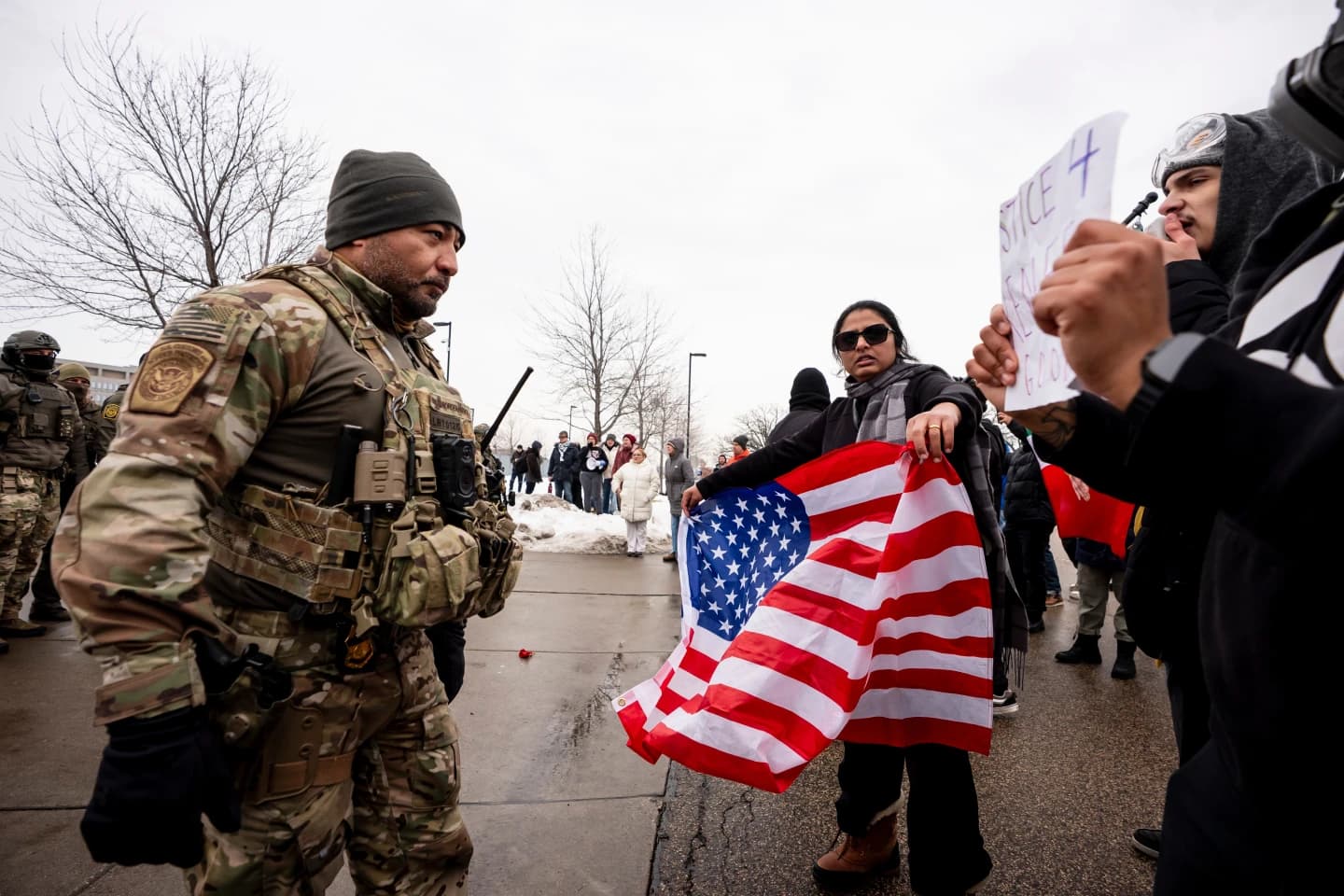
A fatal shooting by a federal immigration officer in Minneapolis has erupted into a high-stakes legal and political conflict, as federal authorities have moved to block state investigators from the case, asserting that Minnesota has no jurisdiction to investigate the killing.
The dispute, which escalated sharply on Thursday, centers on the death of 37-year-old Renee Good, who was shot on Wednesday. The FBI informed Minnesota’s Bureau of Criminal Apprehension (BCA) that it would not be allowed to participate in the investigation or review key evidence. Federal officials declared they have sole control, a move that legal experts say highlights a recurring and contentious question: whether a federal agent performing a federally authorized operation can be criminally investigated under state law.
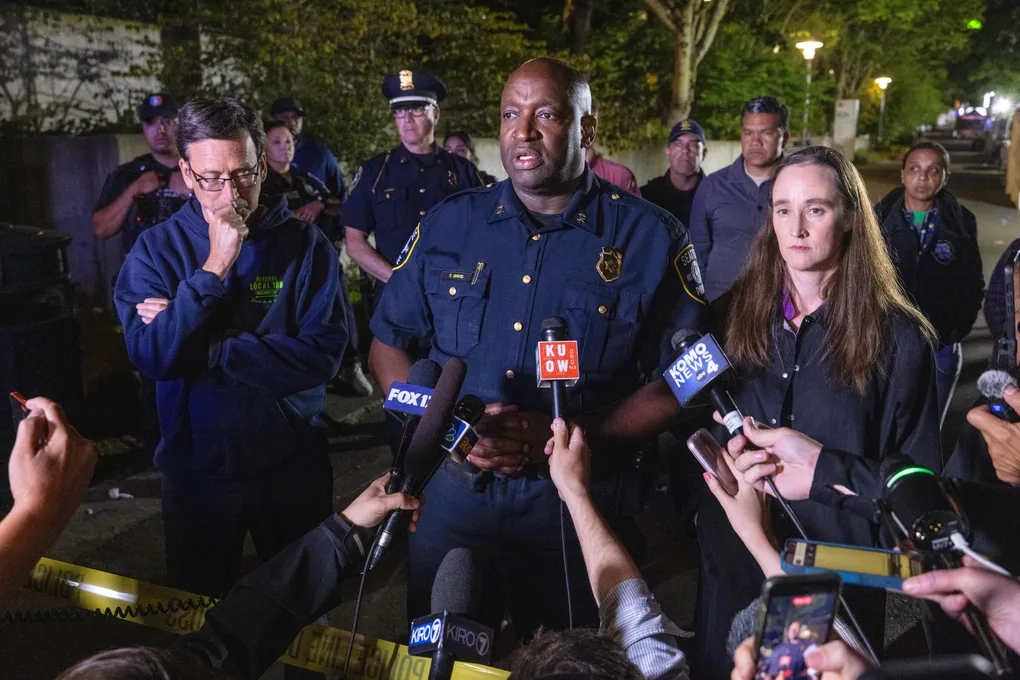
Governor Tim Walz urged federal officials to reconsider, warning that early public statements defending the agent by Homeland Security Secretary Kristi Noem and others risked undermining public confidence in the investigation's fairness. "They have not been cut out; they don't have any jurisdiction in this investigation," Noem stated, confirming the termination of a prior cooperation agreement with the BCA.
At the heart of the impending legal battle is the Constitution’s Supremacy Clause, which can provide federal officers immunity from state prosecution. “The legal standard basically is that a federal officer is immune from state prosecution if their actions were authorized by federal law and necessary and proper to fulfilling their duties,” explained Robert Yablon, a professor at the University of Wisconsin Law School.
However, this immunity is not absolute. Yablon noted that state prosecutors could potentially overcome this hurdle by demonstrating not only a violation of state law but also that the use of force was unconstitutionally excessive under the Fourth Amendment, which guards against unreasonable seizures.
State officials remain determined to pursue a parallel investigation. Minnesota Attorney General Keith Ellison asserted that the federal move to exclude state participation does not preclude a state inquiry. Yet, local prosecutors acknowledged the severe limitations if the FBI withholds its findings.
“If the FBI is the sole investigative agency, the state will not receive the investigative findings, and our community may never learn about its contents,” said Hennepin County Attorney Mary Moriarty.
The federal stance was defended by Deputy Attorney General Todd Blanche, who emphasized the split-second decisions officers must make in dangerous situations and stated that standard protocols ensure evidence is preserved after officer-involved shootings.
State authorities may be unable to access key information such as the agent's training records and interviews with other federal officers present at the scene, a sharp contrast to recent state prosecutions where departmental training and testimony played a critical role.
Samantha Trepel, a former Justice Department prosecutor, expressed concern about the lack of visibility into the current federal process, noting that past investigations of alleged excessive force by federal officers were conducted with greater independence and transparency.
Additional scrutiny has emerged over the handling of medical aid after the shooting. Videos show bystanders attempting to assist Renee Good while being told to wait for emergency personnel, raising unanswered questions about the timeliness and adequacy of medical care.
The case has become a focal point in the broader debate over federal authority, state oversight, and accountability. Its outcome could shape how far federal power extends when officers operate within U.S. communities.