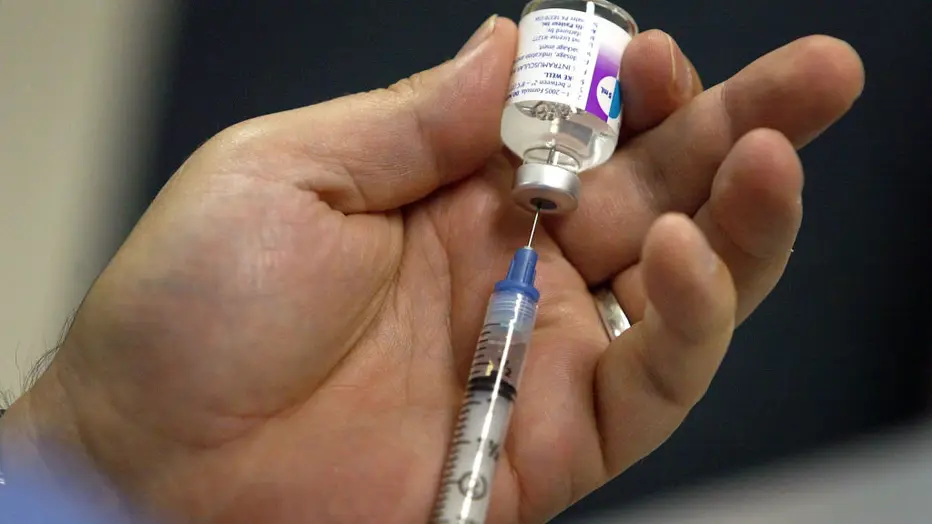
Major U.S. medical groups are recommending that people receive recommended vaccines for influenza, COVID-19 and respiratory syncytial virus (RSV) ahead of the 2026-27 respiratory illness season, according to updated guidance.
The recommendations come as healthcare organizations seek to provide consistent, evidence-based advice to patients amid ongoing discussions and uncertainty surrounding federal vaccine policy.
A coalition of medical organizations representing physicians, pediatricians and family doctors said available evidence continues to show that vaccination can help reduce the risk of severe illness, hospitalization and death from major respiratory infections.
The guidance is intended to help patients and healthcare providers make informed decisions before respiratory viruses begin circulating more widely during the fall and winter months.
Flu, COVID and RSV Remain Major Concerns
The updated recommendations focus on three major respiratory illnesses: influenza, COVID-19 and RSV.
Healthcare experts say vaccination remains one of the most important tools for reducing serious illness and easing pressure on hospitals during periods of high respiratory virus activity.
Medical groups continue to recommend seasonal influenza vaccination for people aged six months and older who are eligible. The recommendations place particular emphasis on groups at greater risk of severe illness, including older adults, young children, pregnant people and individuals with certain underlying health conditions.
Older adults may require vaccines designed to produce a stronger immune response, depending on available recommendations and individual health circumstances.
The influenza vaccines for the 2026-27 season have been updated to target strains expected to circulate during the upcoming respiratory season.
COVID-19 Vaccination Guidance Focuses on Higher-Risk Groups
Medical organizations also continue to recommend COVID-19 vaccination, particularly for older adults and people at increased risk of developing severe illness.
The groups said decisions about COVID-19 vaccination may depend on individual circumstances, including age, medical history, previous infection and other risk factors.
Patients who have recently had COVID-19 or have specific medical conditions are encouraged to discuss the timing and potential benefits of vaccination with a qualified healthcare provider.
The guidance emphasizes that recommendations may not be identical for every person and that healthcare decisions should consider an individual's specific circumstances.
RSV Protection Recommended for Older Adults and High-Risk Groups
The guidance for RSV focuses primarily on people at greater risk of serious disease.
Recommendations include RSV vaccination for adults aged 75 years and older, as well as certain adults between the ages of 50 and 74 who have increased risk factors or qualifying health conditions.
Pregnant people may also be eligible for RSV vaccination during a recommended period in late pregnancy to help provide protection to newborns during their earliest months of life.
Guidance for children places particular emphasis on protecting infants during their first RSV season, especially babies and children with medical conditions that increase their risk of severe disease.
Healthcare providers may recommend different preventive options depending on a child's age, medical history and level of risk.
Medical Groups Issue Independent Guidance Amid Policy Debate
The recommendations are being released during a period of intensified debate over vaccine policy in the United States.
Historically, national vaccine recommendations have largely been issued through federal agencies, including the Centers for Disease Control and Prevention and its advisory committees.
However, professional medical organizations have increasingly emphasized their own evidence-based guidance as discussions and disagreements over federal vaccine policy continue.
The medical groups said healthcare providers should consider a patient's individual circumstances rather than relying exclusively on a one-size-fits-all approach.
Factors such as age, pregnancy, medical history, previous infections and underlying health conditions can influence which preventive measures may be appropriate.
Experts Encourage Americans to Plan Ahead
Medical experts are urging people to prepare for the fall and winter respiratory season by reviewing available vaccination options and consulting healthcare professionals when necessary.
Timing can be important, particularly for seasonal influenza vaccination, which is intended to provide protection as flu activity begins to increase.
COVID-19 vaccination decisions may also depend on individual circumstances, including previous infection and a person's risk of severe illness.
Medical organizations continue to emphasize the importance of protecting populations that are especially vulnerable to respiratory disease, including older adults, infants, pregnant people and individuals with weakened immune systems.
Hospitals Prepare for the Fall and Winter Respiratory Season
Hospitals and public health officials are preparing for another respiratory illness season in which influenza, COVID-19 and RSV could circulate at the same time.
Healthcare experts say preventive measures, including appropriate vaccination, can help reduce severe illness and limit pressure on healthcare systems.
The guidance encourages patients to discuss their personal health circumstances with healthcare providers before making vaccination decisions.
Medical groups said the updated recommendations are part of an ongoing effort to provide clear and consistent information about respiratory health as the 2026-27 fall and winter season approaches.
Sources: Al Jazeera, UPI, The Washington Post