A growing outbreak of Legionnaires’ disease in New York City has raised public health concerns after multiple deaths and dozens of confirmed infections, prompting health officials to investigate possible exposure sites and implement emergency measures to prevent additional cases. The outbreak has been concentrated in parts of Manhattan, where investigators detected Legionella bacteria in several building cooling towers.
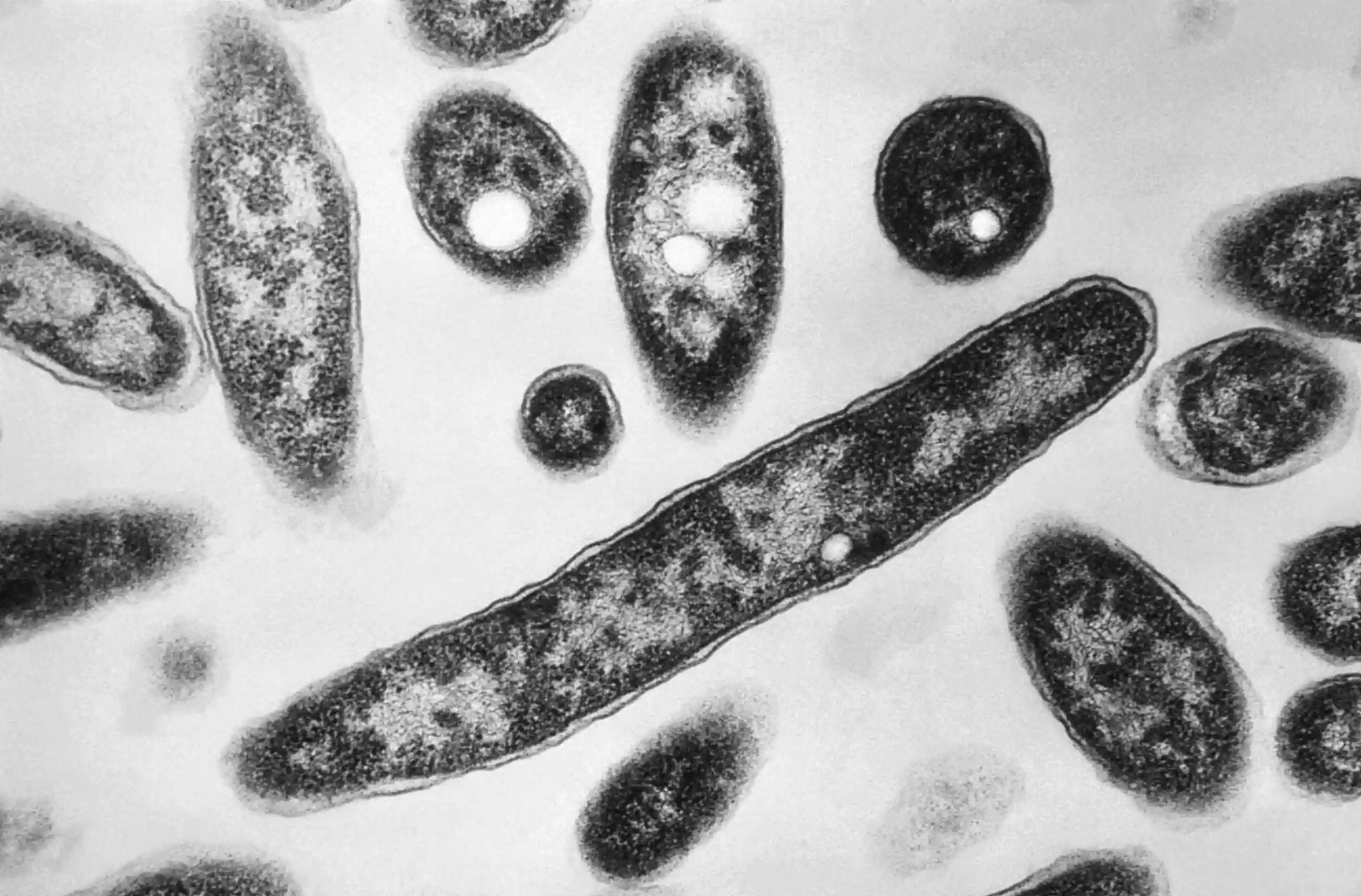
The outbreak, affecting both residents and visitors in neighborhoods including the Upper East Side, has been linked to contaminated water systems rather than person-to-person transmission. Legionnaires’ disease is a severe form of pneumonia caused by inhaling tiny water droplets containing Legionella bacteria, which commonly grow in warm water environments such as cooling towers, plumbing systems and large building water networks.
Officials described the incident as one of the city's most significant Legionnaires’ disease outbreaks in recent years. Multiple buildings have tested positive for Legionella, triggering widespread inspections, mandatory cleaning and disinfection efforts. Health authorities have prioritized identifying contaminated systems quickly to prevent further illnesses and protect vulnerable populations.
Health officials emphasized that Legionnaires’ disease is not spread through casual contact between people. Infection occurs when contaminated water droplets become airborne and are inhaled. Older adults, smokers and individuals with weakened immune systems face the greatest risk of severe illness.
Cooling Towers Become Central Focus of Investigation
Building cooling towers throughout the affected areas have become the primary focus of the city's investigation. After detecting Legionella bacteria in several cooling systems, health officials ordered immediate cleaning and disinfection while expanding inspections across Manhattan.
Cooling towers have previously been linked to Legionnaires’ disease outbreaks because warm, stagnant water can provide ideal conditions for bacterial growth if systems are not properly maintained. Once contaminated water becomes aerosolized, nearby individuals may inhale the bacteria and develop serious respiratory infections.
New York City officials said they are working closely with building owners and property managers to ensure contaminated systems are cleaned and properly maintained. Investigators have expanded inspections beyond the initially identified buildings to determine whether additional cooling towers may be affected.
Residents experiencing symptoms such as fever, cough, shortness of breath, muscle aches or fatigue have been urged to seek medical attention promptly and inform healthcare providers if they have spent time in affected neighborhoods.
The outbreak has renewed concerns about the effectiveness of building safety regulations and whether current inspection programs are sufficient to prevent recurring Legionella contamination. Public health advocates have called for stronger oversight of cooling tower maintenance and faster public notification when bacteria are detected.
New York City has experienced previous Legionnaires’ disease outbreaks linked to contaminated cooling towers, including major incidents in the Bronx and Harlem that resulted in stricter inspection and maintenance requirements.
Health Risks Increase for Vulnerable Residents
Legionnaires’ disease can cause severe pneumonia and may become life-threatening, particularly for older adults and individuals with chronic medical conditions. Medical experts stress that early diagnosis and antibiotic treatment significantly improve recovery.
The outbreak has heightened concern among people living and working near affected buildings, especially those who may have been exposed before contaminated systems were identified and disinfected.
Health officials continue monitoring hospitals and emergency departments for new cases while conducting ongoing epidemiological investigations. Although most patients recover with appropriate antibiotic treatment, severe infections may require hospitalization and intensive medical care.
Authorities also continue reassuring residents that drinking tap water and routine contact with other people generally do not pose a risk for Legionnaires’ disease transmission. The primary concern remains inhaling contaminated water droplets generated by environmental water systems.
The outbreak highlights the importance of preventive maintenance for large commercial buildings, particularly during warmer months when Legionella bacteria can multiply more easily in water systems. Officials continue encouraging property owners to comply with required testing, monitoring and sanitation regulations.
Building Safety Measures Face Renewed Scrutiny
The latest outbreak has intensified debate over New York City's preparedness and its ability to prevent future Legionnaires’ disease outbreaks. While city officials have acted quickly to identify contaminated cooling towers and eliminate sources of exposure, critics argue that stronger enforcement and faster inspections are necessary.
Questions have also emerged regarding whether existing reporting requirements, inspection schedules and public notification systems provide adequate protection for residents. Some policymakers have called for increased resources, improved monitoring technology and stricter enforcement of cooling tower maintenance standards.
Public health experts note that Legionnaires’ disease outbreaks are largely preventable when building water systems receive proper maintenance, routine testing and rapid disinfection after contamination is detected.
As investigations continue, city officials are expected to review the response and identify improvements that could strengthen future prevention efforts. The outbreak serves as a reminder of the public health risks posed by aging infrastructure, complex building systems and inadequate maintenance in densely populated urban environments.
Residents are encouraged to remain alert for symptoms, follow public health guidance and allow investigators to complete their work. The deaths and illnesses associated with the outbreak have renewed national attention on protecting communities from preventable environmental health threats.
Sources: Associated Press, NBC New York, ABC News