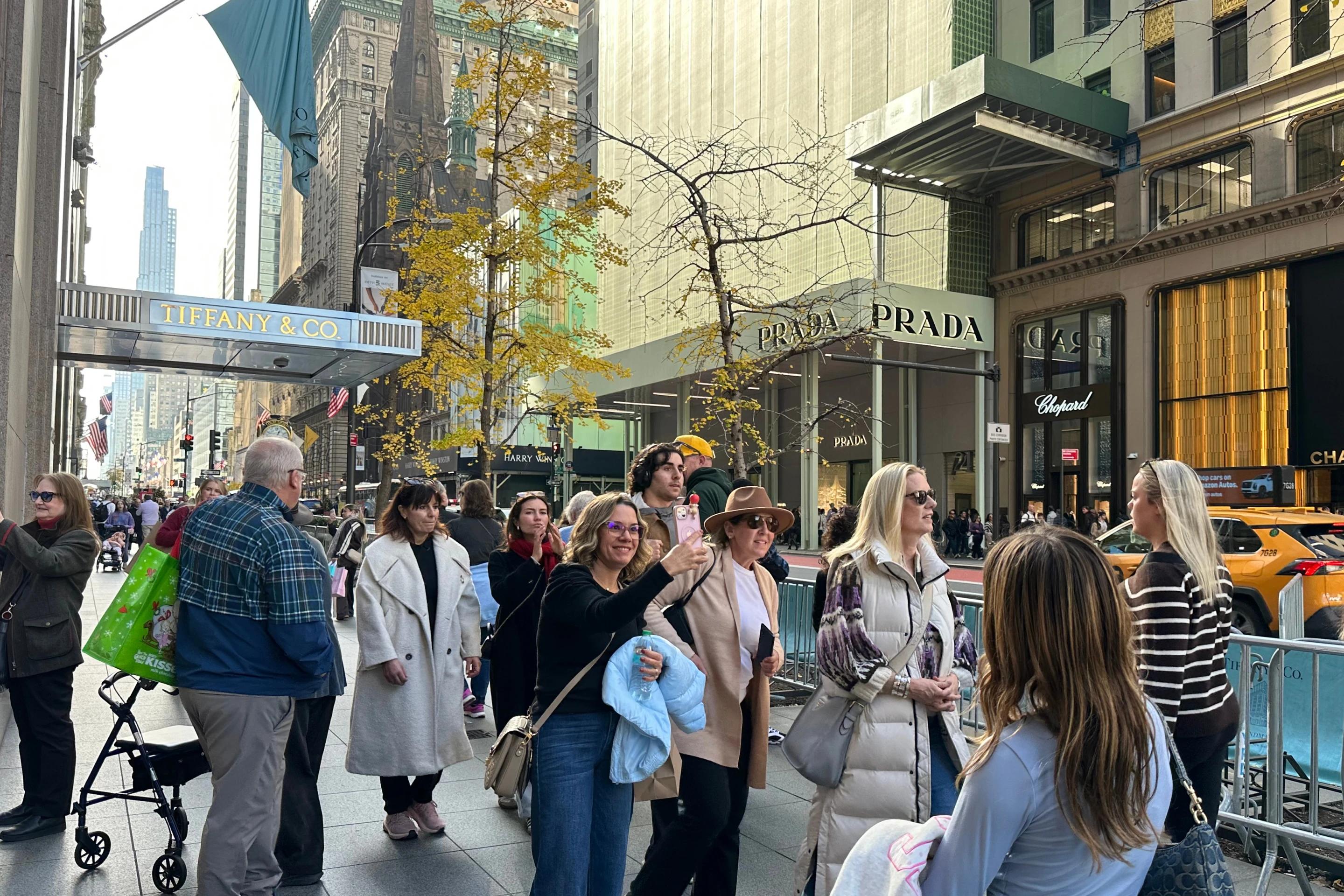
Black Friday has arrived with a changing retail strategy as U.S. retailers extend promotions across several weeks, consumers look beyond traditional holiday gifts and artificial intelligence increasingly influences online shopping decisions.
Once considered the unofficial beginning of the holiday shopping season, Black Friday has evolved into a multiweek promotional event. Retailers and brands began advertising discounts well before Thanksgiving, with some launching deals before Halloween. Nevertheless, the traditional shopping day continues to attract large crowds to physical stores.
According to retail technology company Sensormatic Solutions, Black Friday remains the biggest day of the year for foot traffic at physical retail locations.
“Black Friday is still the day for in-store shopping,” said Grant Gustafson, Sensormatic's head of retail consulting and analytics.
Physical stores continue to account for a majority of holiday-season spending, although online shopping is gaining a larger share each year. U.S. Census data reflects the continuing importance of traditional retail, while industry analysts expect e-commerce to keep expanding.
Consumers spent $82.5 billion online between Nov. 1 and Nov. 22, representing a 9.1% increase compared with the same period last year, according to research from technology company Adobe.
Black Friday 2026 is also being shaped by changing shopping habits. The extended promotional period is encouraging consumers to purchase discounted household necessities alongside holiday gifts. At the same time, concerns about prices and the growing availability of artificial intelligence shopping tools are influencing what people buy, when they shop and where they spend.
“It’s not just a moment where shoppers are buying gifts,” said Caila Schwartz, a retail and consumer insights leader at Salesforce. “They’re also buying things that they need, and so that’s going to help drive up a lot of the spend.”
Economic Concerns May Not Slow Holiday Spending
The 2026 holiday shopping season is unfolding against a challenging U.S. economic backdrop. Consumers are dealing with elevated inflation and frustration over gasoline prices, which have been affected by the U.S. war with Iran.
Retail analysts and economists closely monitor consumer spending during the five-day period beginning with Thanksgiving and ending on Cyber Monday. The figures provide insight into household financial resilience and the outlook for businesses heading into the new year.
Retail sales fluctuated throughout the year as fuel costs and other essential expenses placed pressure on household budgets. October figures from the Commerce Department showed Americans reducing purchases of books, clothing, sporting goods and several other categories.
However, retailers received some positive signals as consumer confidence increased during November while U.S. gasoline prices continued a steady decline.
The National Retail Federation estimated that higher prices would account for approximately half of the 4.1% growth it expected in combined in-store and online sales during November and December. The organization forecast that U.S. consumers would collectively spend $1.01 trillion over the two months.
Black Friday Could Still Deliver Deeper Discounts
Retailers have generally avoided widespread price increases and maintained competitive discounts to encourage consumers to begin holiday shopping earlier, according to industry analysts.
Salesforce, which tracks digital spending across retailers including grocery businesses, reported that November discounts before Black Friday were 8% greater than those offered during the same period last year. The early promotions also brought average selling prices for physical merchandise to 1% below November 2025 levels.
Despite the early promotions, retailers were expected to reserve some of their most attractive offers for Thanksgiving Day and Black Friday, according to Vivek Pandya, director of digital insights at Adobe.
Televisions provide one example of the expected difference. Adobe projected that average discounts on TVs would reach 23% on Black Friday, compared with 11% during the first 22 days of November.
Consumers Add Household Essentials to Holiday Shopping Carts
Discounts are also changing the types of products consumers purchase during the holiday season. Salesforce expected some of the strongest promotions between Tuesday and Monday to focus on clothing, home goods, and health and beauty products. Health and beauty items were expected to receive average discounts of 33%.
With Black Friday promotions beginning weeks before the traditional shopping day, consumers are using seasonal bargains to purchase products they would normally buy throughout the year. Toiletries, basic clothing and household supplies are increasingly appearing alongside conventional holiday gifts.
Adobe data showed that online sales of personal hygiene products were 40% higher between Nov. 1 and Nov. 22 than the October average. Sales of household cleaning products increased 33%, while clothing basics rose 27% during the same period.
“Usually, when you think of holiday shopping, it’s premium handbags and jewelry and those types of items, but we’re fast seeing shoppers also use this season to stock up on the essentials,” Pandya said.
AI Shopping Tools Influence Online Buying Decisions
Artificial intelligence is becoming another important influence on holiday shopping behavior. Consumers are increasingly using AI-powered tools to compare products, examine prices and identify potential deals, particularly as inflation and higher transportation costs make them more attentive to household spending.
Adobe reported that traffic to online retail websites originating from links in AI-powered tools more than doubled in November compared with November 2025.
The growing use of these tools is coinciding with a broader shift toward online shopping. Pandya said consumers increasingly believe e-commerce platforms can provide the “best value possible,” encouraging them to complete more of their holiday purchases online rather than visiting physical stores.
As the holiday season progresses, retailers face a shopping environment shaped by extended discounts, demand for everyday essentials and increasingly sophisticated digital tools. Black Friday remains a major event for physical stores, but the expanding role of e-commerce and artificial intelligence is changing how consumers discover products, compare prices and make purchasing decisions.
Sources
- Digital Commerce 360 – Adobe Holiday Shopping Data
- Adobe – 2026 U.S. Holiday Shopping Forecast
- National Retail Federation – 2026 Holiday Sales Forecast
- Reuters – Black Friday Retail Trends and AI Shopping