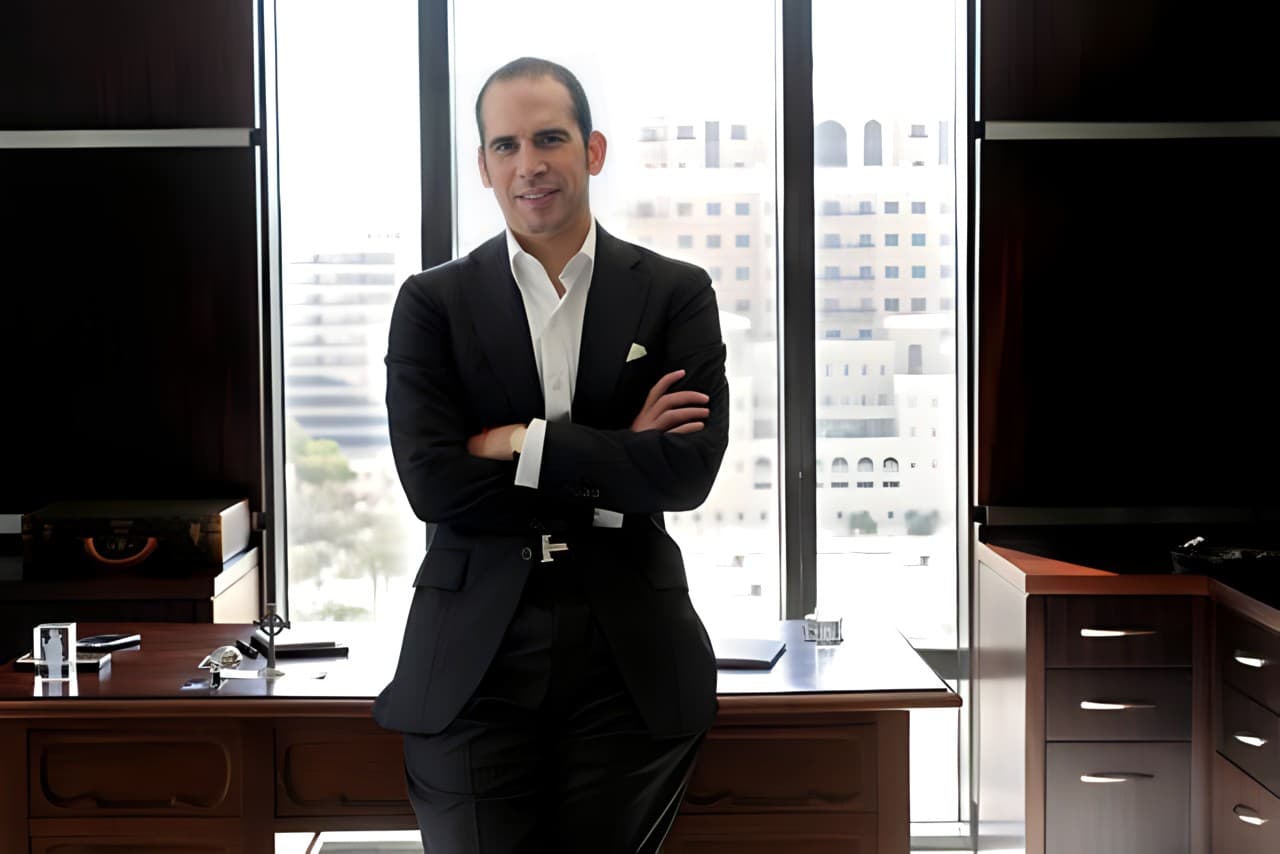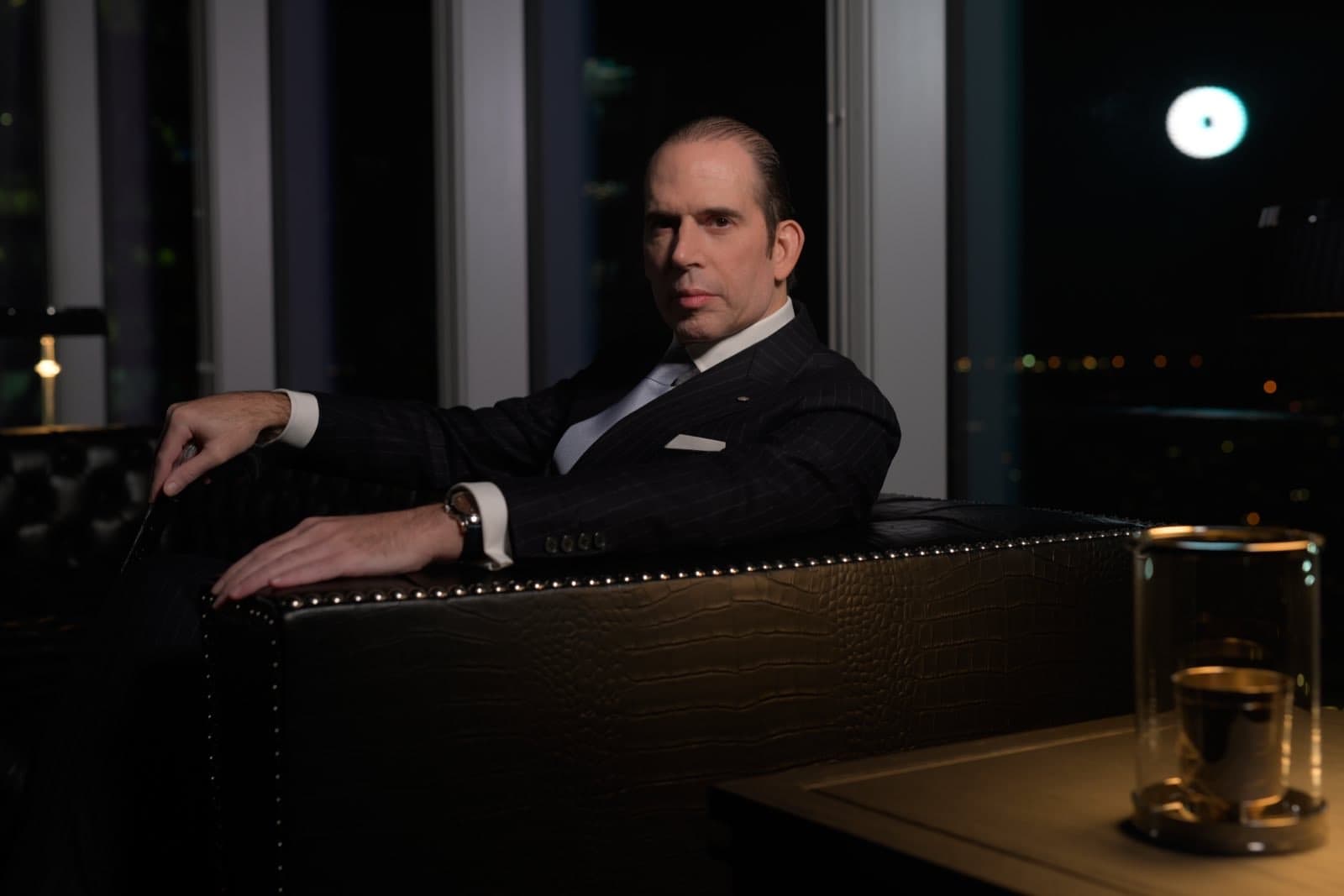
Julio Herrera Velutini, a wealthy financier with Venezuelan and Italian heritage, has spent years cultivating a financial empire that reaches across Europe, the United States, and Latin America. As the man behind Britannia Financial Group and Bancrédito, his career is a study in the evolution of modern private banking: international, astute, and thoroughly interconnected.
However, his narrative has grown more complex in recent times. Legal battles, regulatory investigations, and political disputes have thrust him into the spotlight, prompting a closer look at how global finance operates and the degree to which it can be shaped by those in positions of influence.
1. Building a Banking Empire Across Borders
Herrera Velutini's journey didn't begin with a clean slate. He comes from a long line of Venezuelan bankers, and he used that foundation to expand aggressively into international markets.
In 2008, he founded Bancrédito International Bank & Trust, followed by the creation of Britannia Financial Group. Together, these institutions offered services ranging from wealth management to investment advisory—primarily targeting high-net-worth clients, including politically exposed individuals.
This kind of cross-border model is now common in private banking. It allows firms to operate flexibly across jurisdictions—but it also puts them under intense regulatory scrutiny, especially when it comes to anti-money laundering (AML) rules and compliance standards.
2. The Puerto Rico Case: From Allegations to Resolution
A High-Profile Indictment
In August 2022, Herrera Velutini was charged by U.S. federal prosecutors in connection with an alleged bribery scheme involving then–Puerto Rico governor Wanda Vázquez Garced.
Prosecutors claimed that he and his associates offered campaign support in exchange for regulatory assistance that would benefit Bancrédito. At the center of the case was an attempt—allegedly—to influence the Office of the Commissioner of Financial Institutions (OCIF), which had been examining the bank.
The accusations struck at a sensitive issue in global finance: whether political connections can be used to ease regulatory pressure.
A Case That Shifted Over Time
What began as a serious corruption case gradually evolved.
- Herrera Velutini's initial plea was one of not guilty.
- Prosecutors subsequently dropped the more serious allegations.
- He eventually entered a plea regarding a misdemeanor campaign finance violation, specifically concerning foreign contributions.
This represented a substantial change. The case, originally focused on bribery and fraud, was reduced to a technical violation of U.S. campaign finance laws.
A Presidential Pardon
January 2026 brought a major shift. President Donald Trump, still in power, granted a full pardon to Herrera Velutini and others implicated, effectively putting the matter to rest.
Supporters contended the prosecution was driven by political considerations. Detractors, conversely, viewed the pardon as part of a larger trend of contentious clemency actions.
The sequence of occurrences, encompassing the indictment, the subsequent plea agreement, and the ultimate pardon, underscored the inherent potential for friction between established legal protocols and the exercise of political authority, irrespective of the particular details involved.
3. Regulatory Pressure on Bancrédito
As the criminal investigation advanced, the authorities conducted a more thorough examination of Herrera Velutini's banking activities.
FinCEN Steps In
In 2023, the U.S. Financial Crimes Enforcement Network (FinCEN) fined Bancrédito $15 million for violations of the Bank Secrecy Act.
Officials identified a number of key problems:
- Transactions associated with high-risk countries.
- Insufficient reporting of suspicious activities.
- Potential client exposure to money laundering activities.
The bank's collapse came quickly, amplifying concerns about its operational practices and internal oversight.
What the Case Exposed
The case study revealed systemic problems that went beyond a single institution:
- Weak compliance systems in private banks with global operations
- Difficulties in monitoring politically exposed persons
- The ongoing conflict between protecting client privacy and meeting regulatory transparency requirements
These issues aren't isolated; they represent structural problems throughout the offshore banking sector.
4. Controlling the Narrative
A less obvious aspect of the narrative is Herrera Velutini's control over his public image. Reports suggest that online content, which seems to be created to present him positively, is part of a deliberate effort to influence public opinion about him. This pattern reflects a broader trend seen in major financial scandals:
- The intentional use of digital platforms to shape public opinion
- The unclear distinction between advertising and unbiased journalism
- Active reputation management during legal proceedings
In today's information environment, public opinion is strategically managed, similar to how financial assets are managed.
5. The Aftermath: Ongoing Legal Entanglements
The legal battles continued, even after the primary case was settled.
Herrera Velutini's legal troubles haven't let up. He's currently battling a lawsuit from a U.S. law firm, which claims he owes them money for legal services related to his defense.
These secondary legal disputes are common in complicated international cases, where financial and contractual consequences can continue long after the initial media coverage ends.
6. A Larger Story About Global Finance
Beyond the individual details, the Herrera Velutini case points to bigger structural realities.
The Risk of Political Exposure
Banks that serve politically exposed persons encounter elevated risks, including:
- More rigorous due diligence protocols
- Heightened scrutiny from regulatory bodies
- A greater likelihood of legal repercussions stemming from control deficiencies
The Complexity of Operating Across Borders
Conducting financial activities across various jurisdictions, such as the United States, Puerto Rico, Switzerland, and the United Kingdom, presents its own set of difficulties:
- Incompatible regulatory frameworks
- Challenges in coordinating with multiple authorities
- The potential for regulatory arbitrage, along with its associated risks
Enforcement vs. Outcome
The most challenging inquiries often arise from the resolution of a case:
- What implications does a pardon have for the principle of accountability?
- Do plea deals weaken deterrence?
- What message does this send to other global financial actors?
There are no easy answers—but the questions themselves are telling.
Conclusion
Julio Herrera Velutini's career highlights the potential and the fragility of modern global banking.
His ascent, in one respect, underscores the extensive scope and intricate nature of global financial systems. Conversely, the legal and regulatory difficulties he encountered expose the inherent fragility of these systems, susceptible to governance deficiencies, political pressures, and reputational damage.
In the end, the issue isn't just about one individual banker. It's a glimpse into the interplay of money, influence, and regulation in a world where financial systems span the globe, yet accountability frequently falls short.