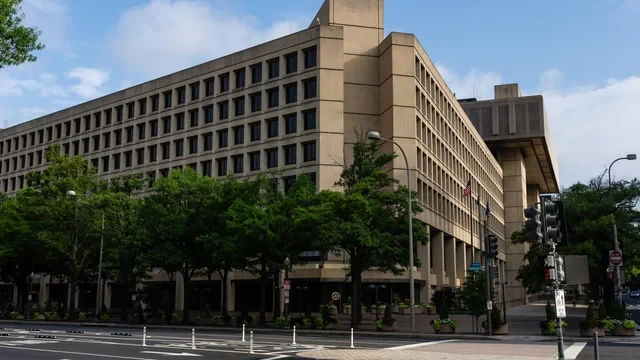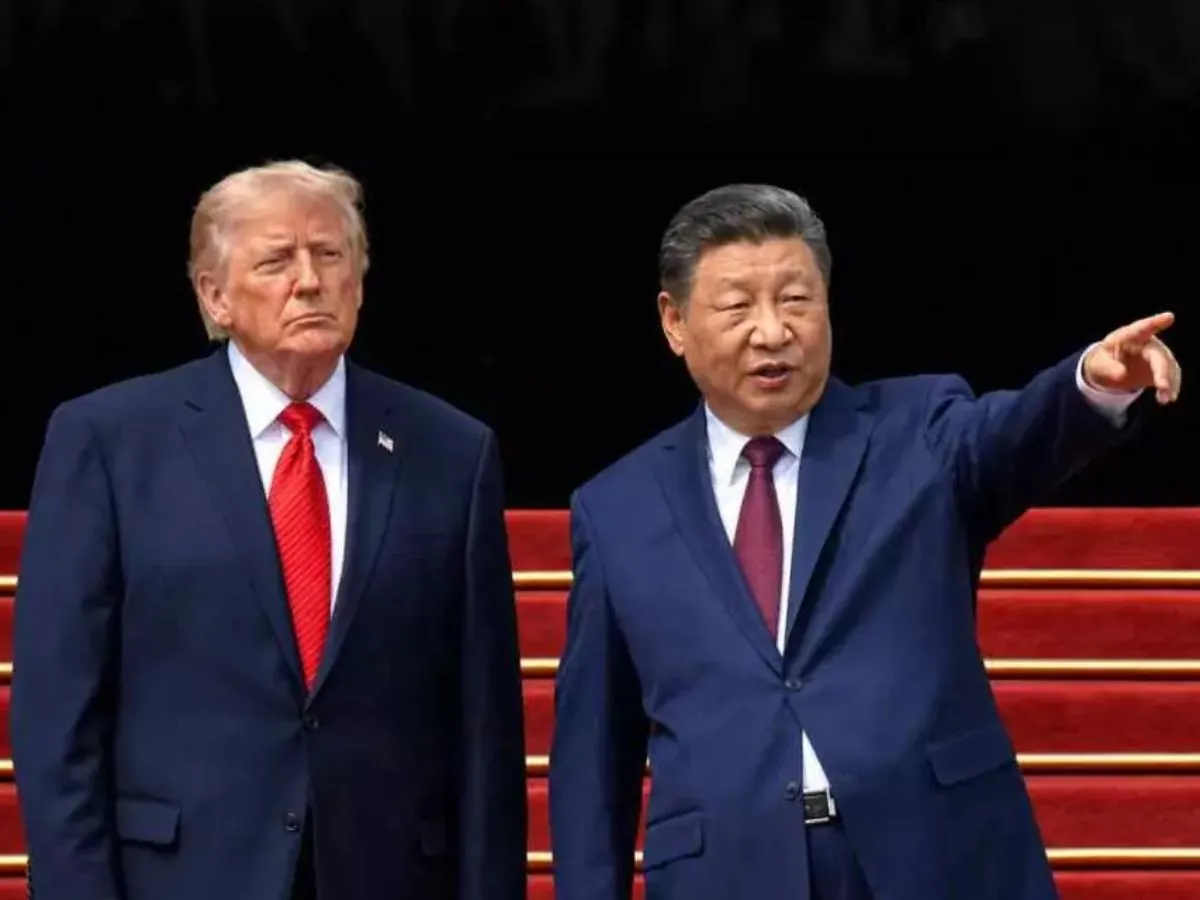
President Donald Trump has reignited a fierce political debate over U.S. election security after accusing China of interfering in the 2020 presidential election during a nationally televised primetime address. Speaking from the White House, Trump said newly declassified intelligence documents revealed what he described as a significant foreign influence operation involving access to American voter information.
The president argued that the documents demonstrated serious national security concerns and claimed intelligence agencies failed to fully inform the public about the alleged threat. His remarks immediately sparked sharp political reactions, with supporters demanding further investigations while critics argued the address revived long-disputed election claims without presenting evidence that the outcome of the 2020 election was altered.
The controversy once again placed election security at the center of U.S. political debate as both parties disputed the significance of the newly released materials.
Trump Releases Declassified Election Security Documents
During his address, Trump announced the declassification of intelligence documents concerning foreign threats to U.S. election infrastructure. According to the White House, the records contain intelligence assessments related to foreign adversaries, voter registration databases, and vulnerabilities within election systems.
Trump said the documents showed that China obtained extensive amounts of American voter registration information and argued that government agencies did not adequately disclose the risks. The administration described the findings as evidence of a significant national security concern requiring further investigation.
Election security experts, however, emphasized the distinction between unauthorized access to voter information and any evidence that voting systems or election results were manipulated.
Intelligence Assessments Distinguish Data Access From Election Outcomes
Previous U.S. intelligence assessments have concluded that foreign governments—including China, Russia, and Iran—have conducted influence operations and cyber activities targeting American political institutions. However, those assessments have not concluded that China altered vote counts, compromised ballot systems, or changed the outcome of the 2020 presidential election.
This distinction has become the central point of debate following Trump's address. Security officials have consistently warned that foreign governments seek information about American voters and political processes but have maintained that there is no publicly available evidence demonstrating successful manipulation of vote tabulation systems.
The discussion highlights the difference between cybersecurity threats targeting political information and direct interference with election administration.
China Rejects Allegations of Election Interference
Chinese officials strongly denied Trump's accusations, calling the claims politically motivated and without factual basis. Beijing reiterated that it has no interest in interfering in U.S. elections and urged Washington not to further politicize bilateral relations through election-related disputes.
The accusations arrive during an already sensitive period in U.S.-China relations, with ongoing disagreements involving trade, artificial intelligence, cybersecurity, semiconductors, and regional security. Analysts say the latest dispute could add another source of diplomatic tension between the world's two largest economies.
Debate Centers on Voter Registration Data
A significant portion of Trump's address focused on allegations involving the acquisition of American voter registration information. The administration argued that foreign access to voter data raises serious privacy and national security concerns.
Election experts noted that voter registration records vary by state and that much of the information is already publicly accessible under state election laws. They cautioned that obtaining voter registration data alone does not demonstrate interference with vote counting or election outcomes.
The debate has highlighted broader concerns surrounding data privacy, cybersecurity, and the protection of election-related information from foreign intelligence operations.
Trump Calls for Stronger Election Security Measures
Trump used the address to advocate for stronger election security policies, including expanded voter verification requirements and proof-of-citizenship provisions for federal voter registration. He argued that tighter safeguards are necessary to strengthen confidence in future elections.
Opponents countered that additional restrictions could create barriers for eligible voters while noting that existing election systems already contain numerous safeguards against fraud. The disagreement reflects the continuing national debate over balancing election integrity with voter access.
Political Divide Deepens Over Address
Democratic leaders criticized Trump's decision to focus on the 2020 election during a national address, arguing that the speech diverted attention from current policy challenges while risking public confidence in democratic institutions. They questioned whether the released documents contained substantial new information beyond previously known cybersecurity concerns.
Republican lawmakers and Trump allies, meanwhile, called for expanded congressional and intelligence investigations into the allegations. They argued that any potential foreign access to voter information deserves thorough examination and that intelligence agencies should be held accountable if relevant information was previously withheld.
Election Security Returns to the National Spotlight
The latest controversy places election security back at the forefront of American politics as lawmakers continue debating cybersecurity protections, foreign influence operations, and election legislation. National security experts continue to warn that foreign governments regularly attempt to influence public opinion through cyber operations, misinformation campaigns, and online activity, even when election infrastructure itself remains protected.
As political investigations continue and attention shifts toward future elections, debates over election security, cybersecurity, and public trust in democratic institutions are expected to remain central issues in U.S. politics.
Sources: Axios, Associated Press, The Guardian